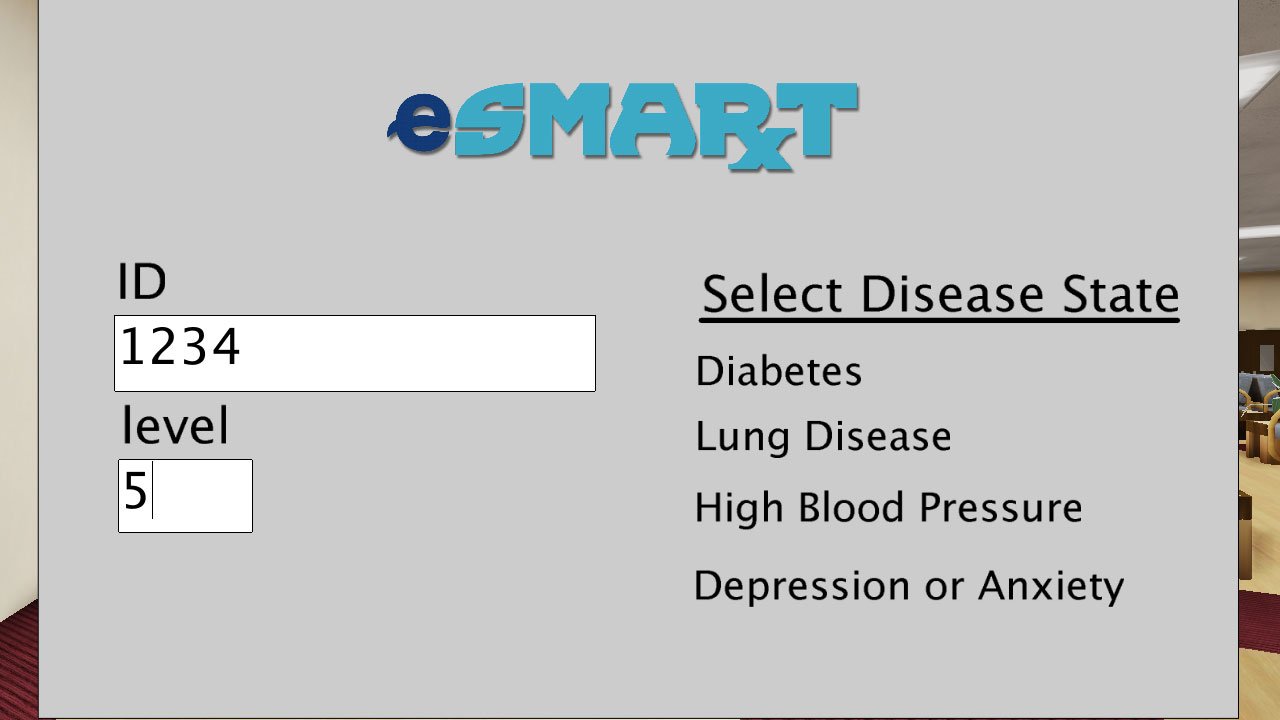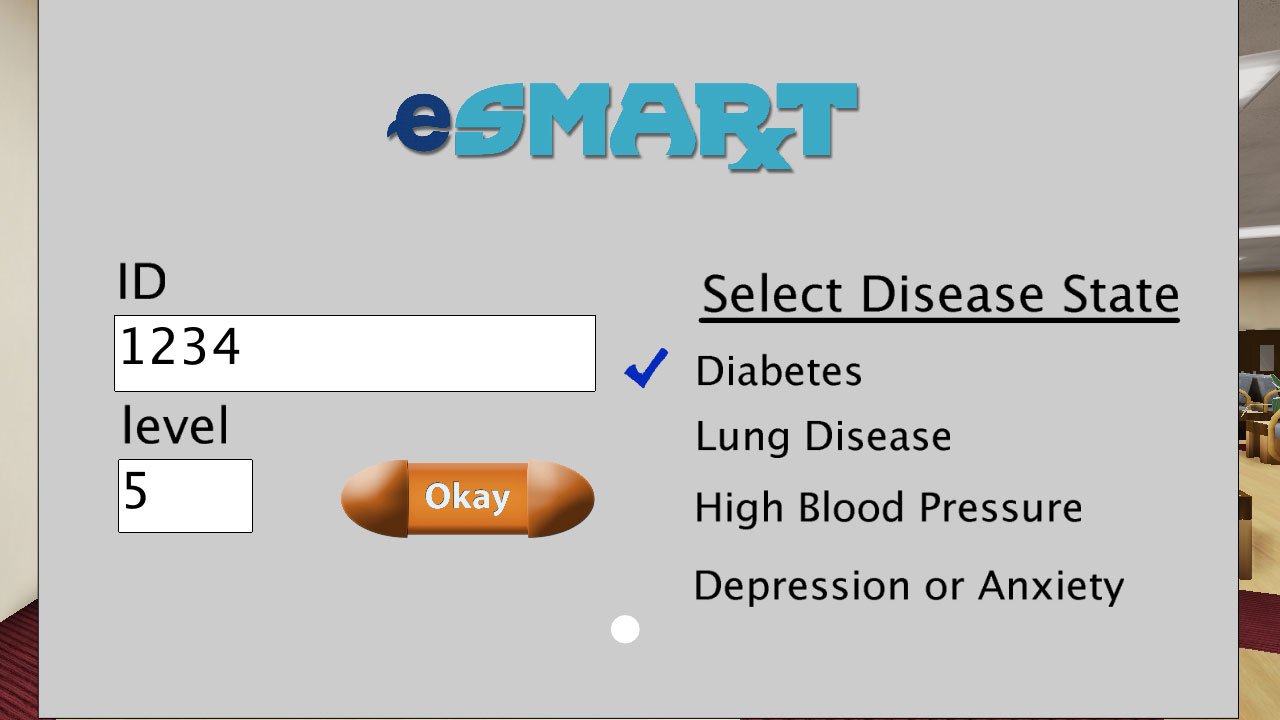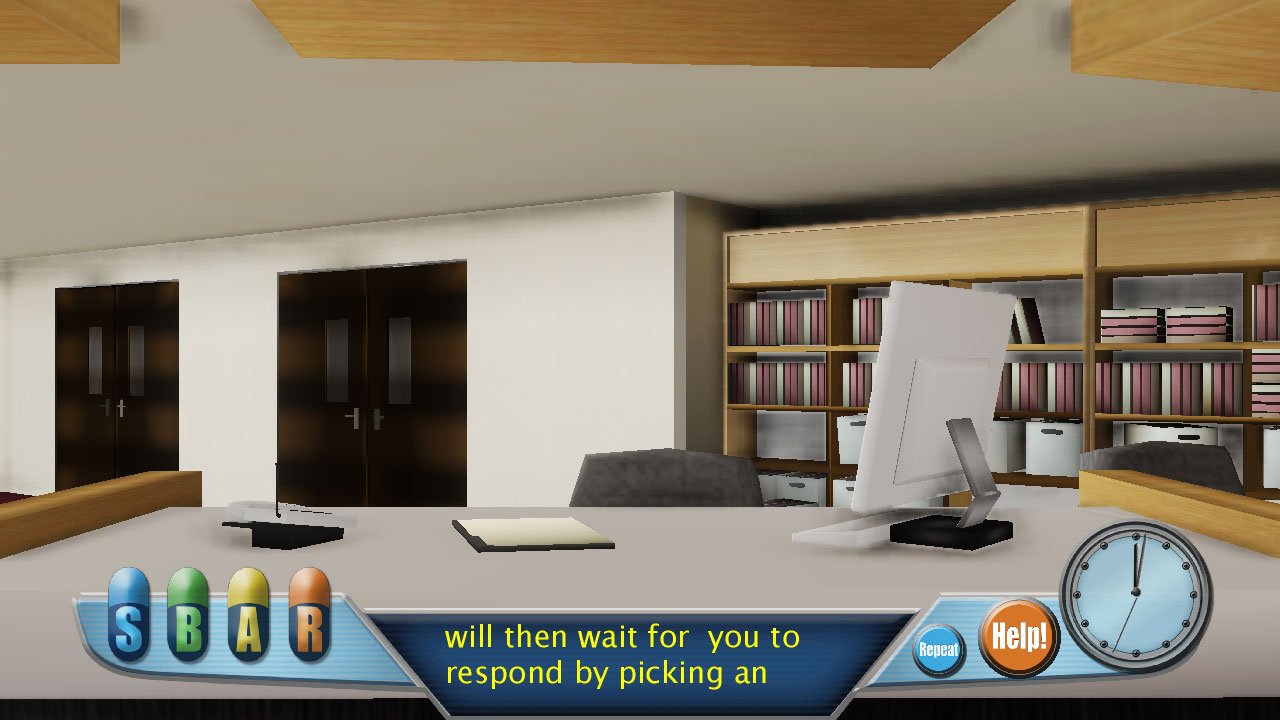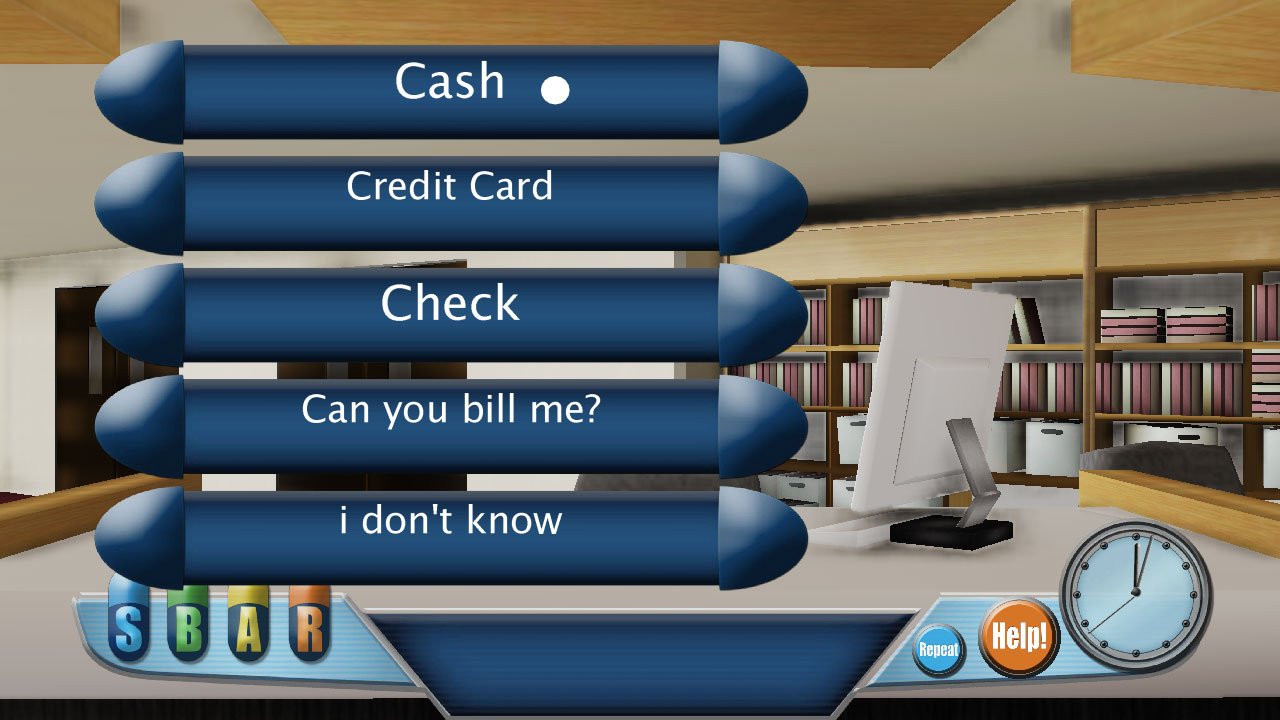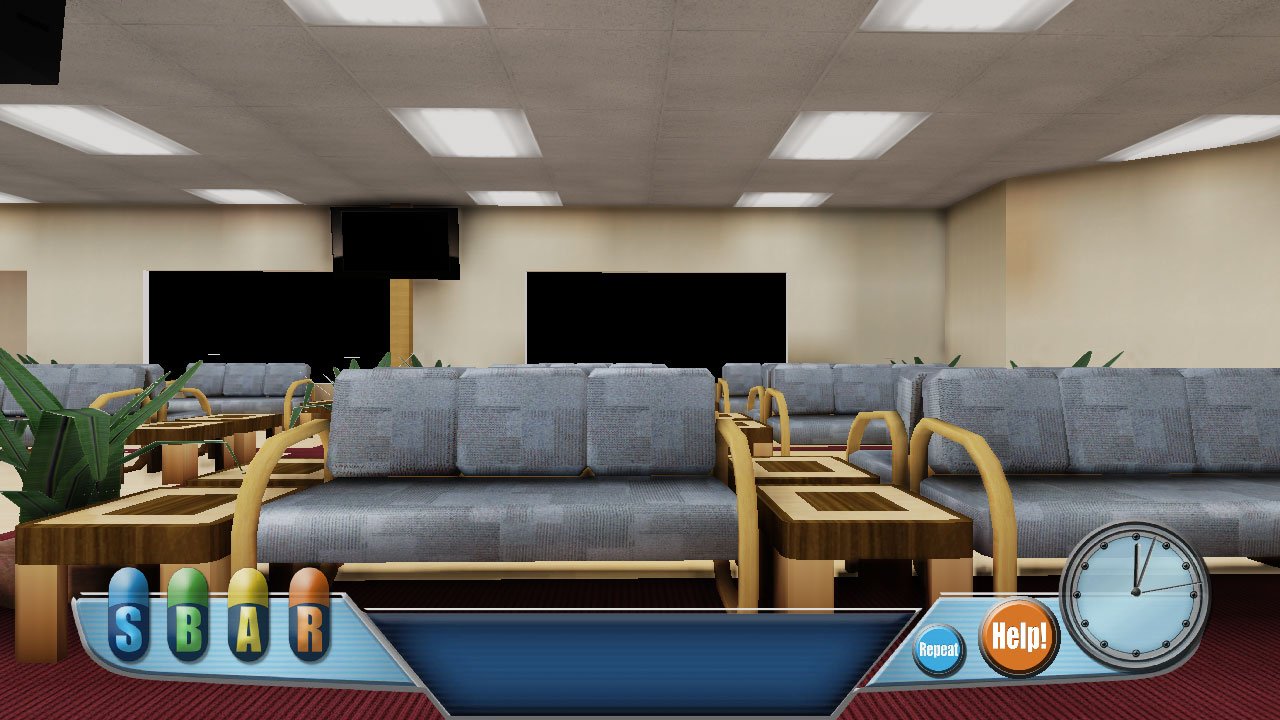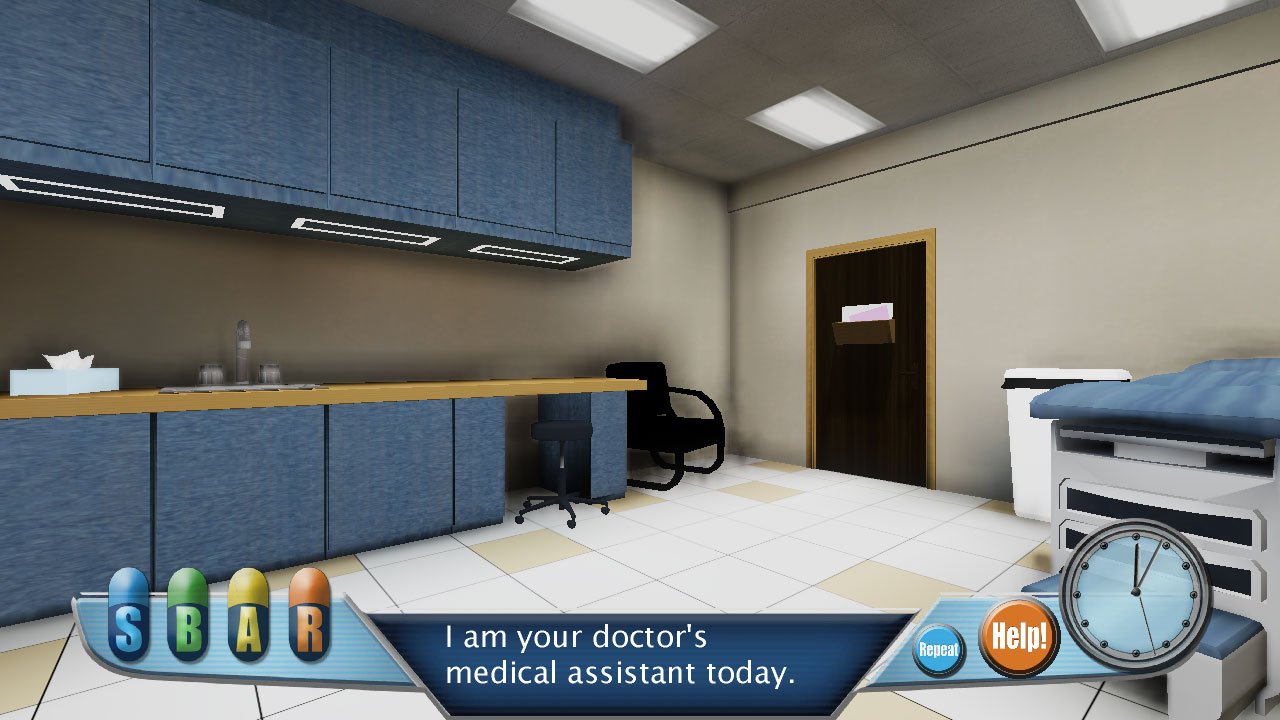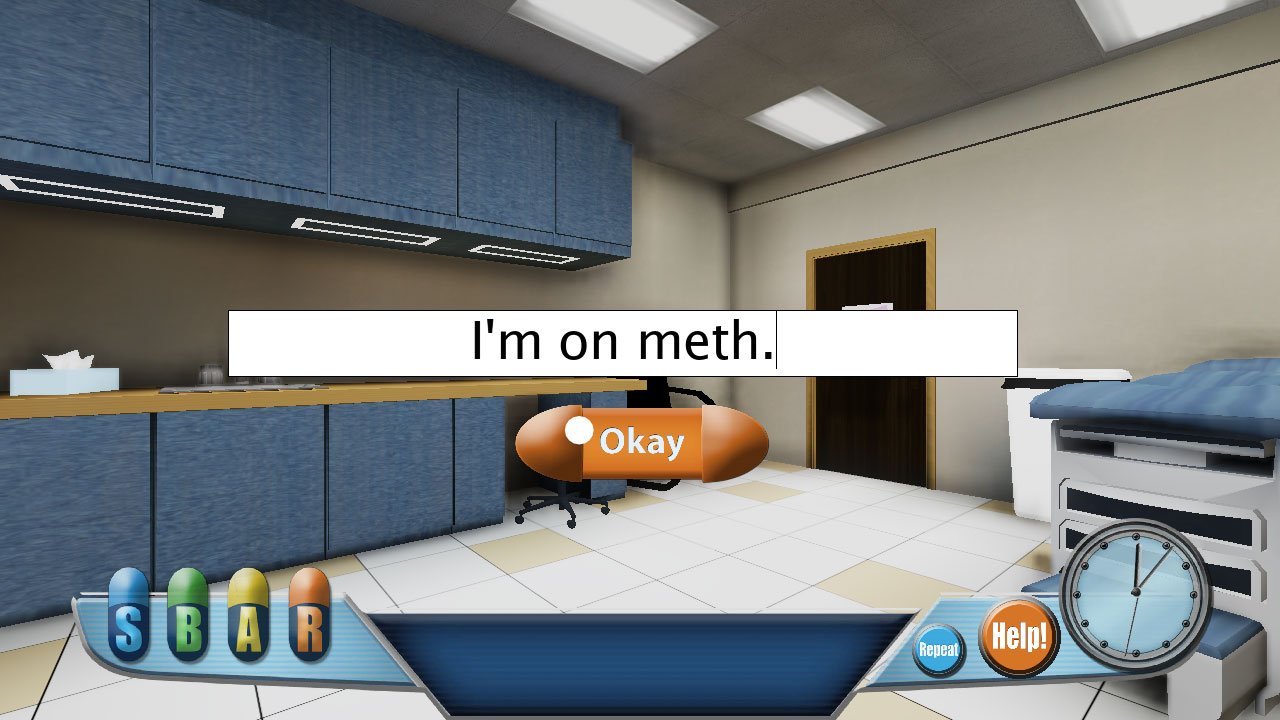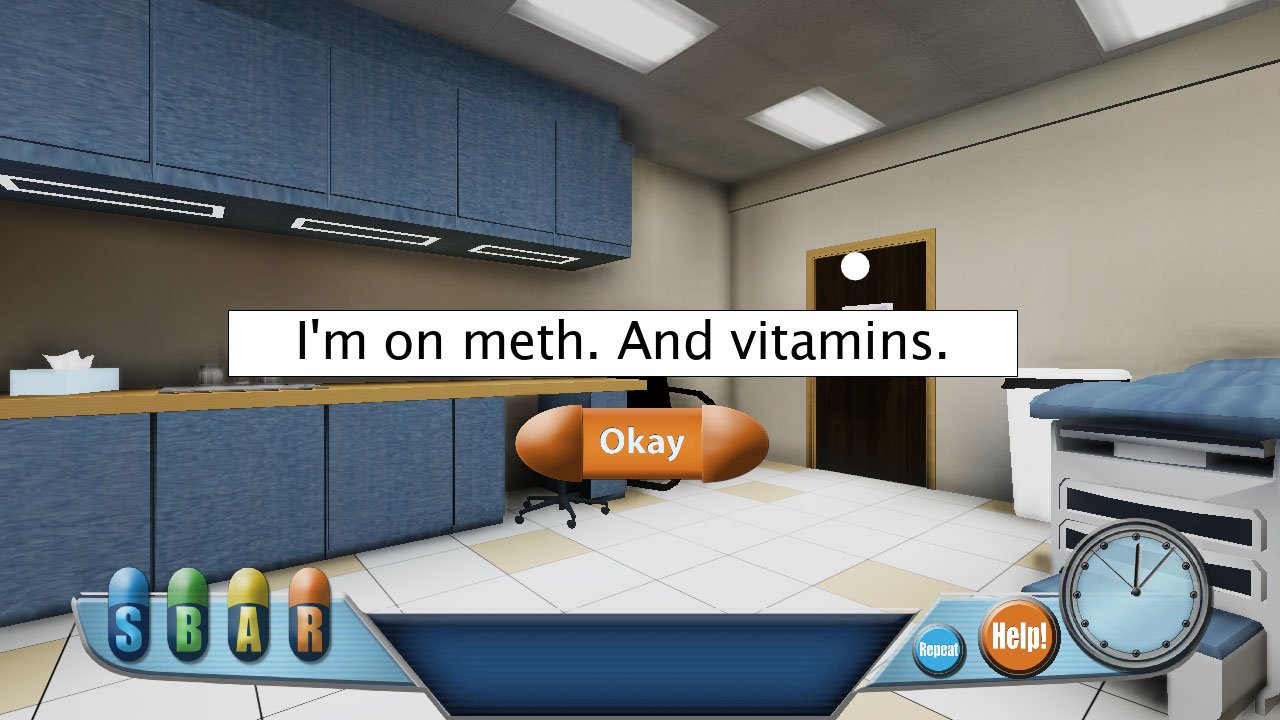
eSMART is an interdisciplinary serious-game and healthcare simulation research initiative developed in collaboration with researchers at Case Western Reserve University. The project investigated how interactive digital environments, virtual characters, and game-based simulation could be used to address healthcare communication, behavioral health, patient education, and self-management.
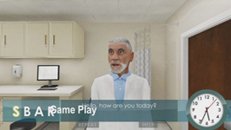
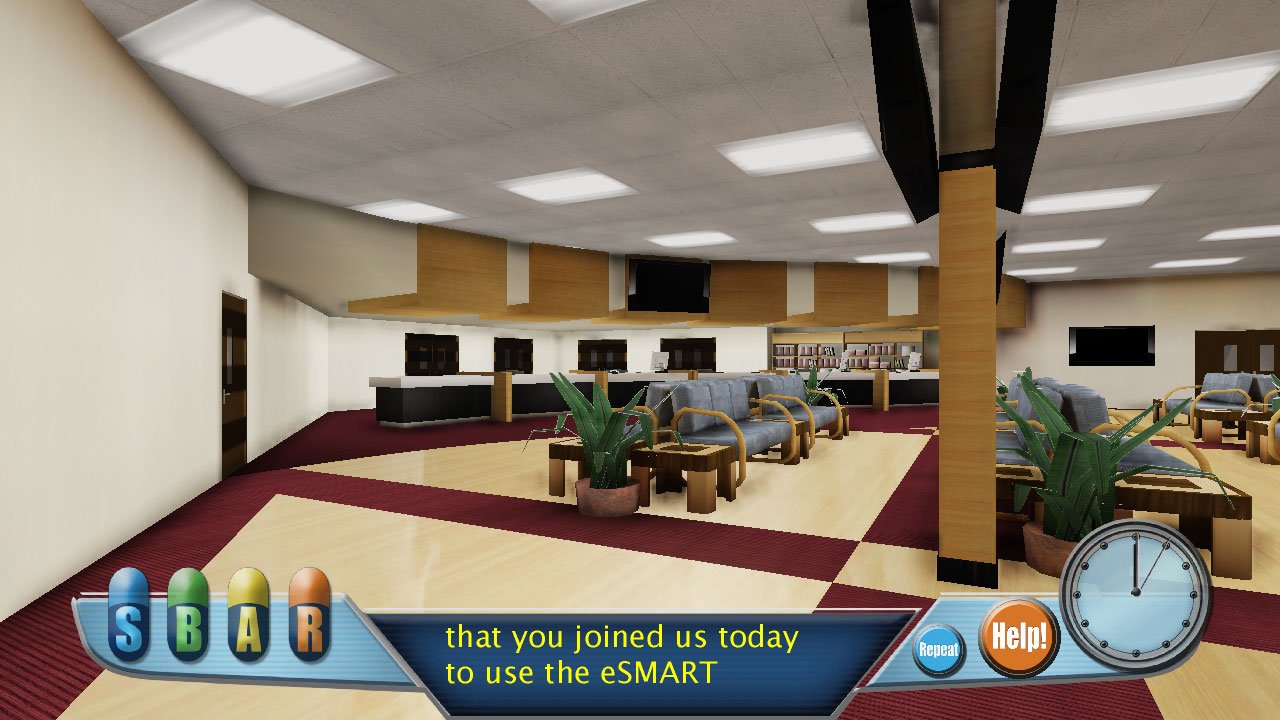
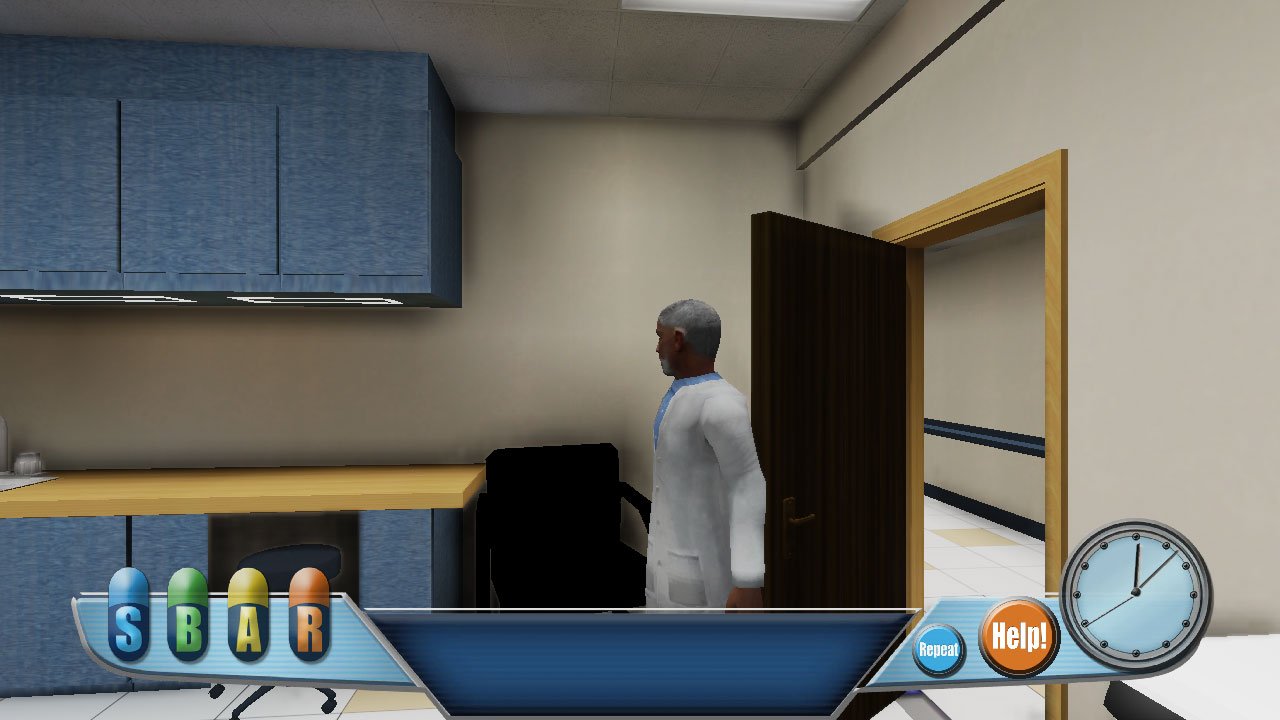
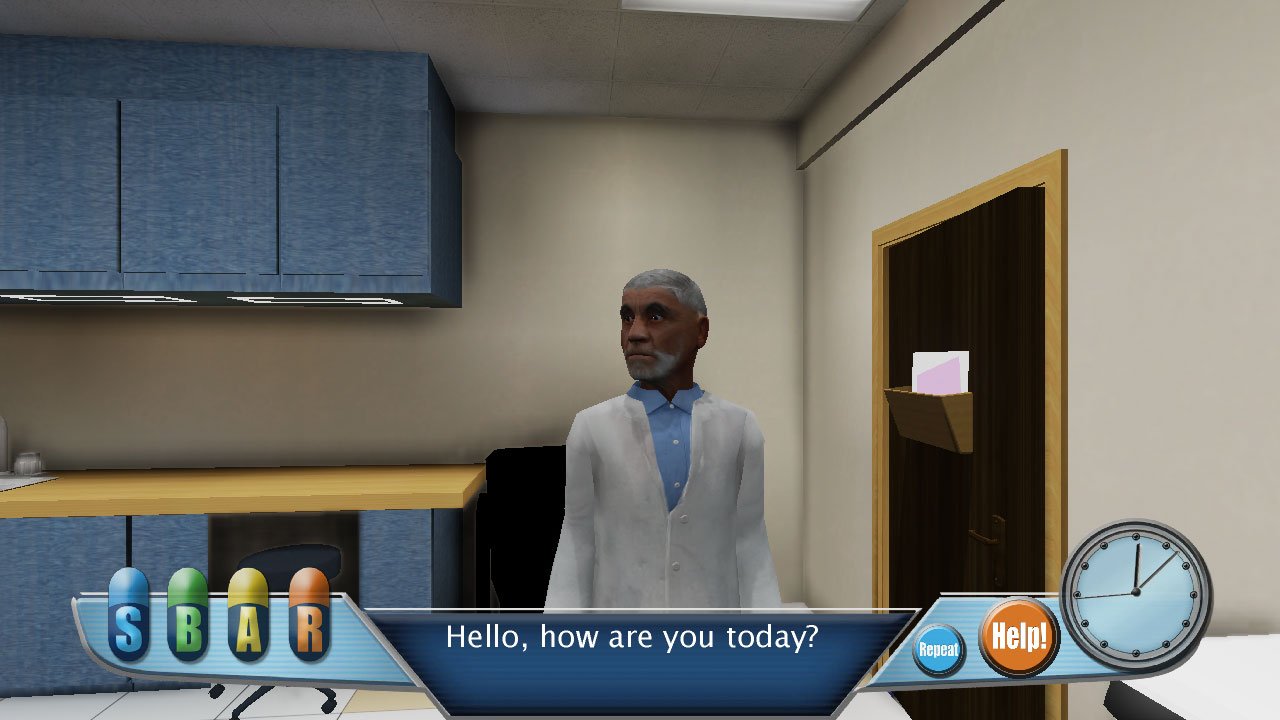
My role centered on the design and development of the interactive visual and game-based components of the research platform. I contributed substantially to the development of 3D environments, animated virtual characters, interactive simulations, and the integration of game-design methodologies into research scenarios. This work involved translating healthcare and behavioral research objectives into controlled, repeatable digital experiences in which participants could practice communication, decision-making, and interactions with virtual healthcare providers.
The project was significant in establishing serious games and avatar-based simulation as viable tools for healthcare research. The eSMART-MH version immersed participants in a three-dimensional virtual primary-care environment where they interacted with avatar healthcare providers, practiced discussing depression and health concerns, and developed self-management and communication skills.
In 2013, eSMART-MH was presented at the White House as part of the Technology Innovations for Substance Use and Mental Health Disorders Conference, where the research was included in the Future of Health IT Behavioral Health program. The White House presentation represented substantial national-level recognition of the project's innovative application of interactive technology, serious games, and virtual simulation to healthcare and behavioral-health research.
eSMART forms an important part of my broader research into serious games, virtual simulation, interactive media, healthcare technology, and the use of game engines as applied research tools. The project demonstrates how game design can move beyond entertainment to function as a methodology for healthcare research, experiential education, behavioral study, and professional communication.