There is an old telling from the North. When the great winter comes, three winters with no summer between them, the world grows quiet and grey, and it seems that everything has ended. But deep in a wood, sheltered within a tree, two people wait. Their names are Líf and Lífþrasir, Life and the one who strives toward life. Through all the long cold they are kept alive on the morning dew, and when the winter finally breaks, they walk out into a new world.
In Norse thought, winter was never simply death. The cosmos was held together by a tree, Yggdrasil, whose branches reached across all worlds. It was always wounded, always gnawed at from below, and yet it endured. Across the Gulf of Bothnia, the Finnish language holds the same understanding inside its words. The deepest part of winter is sydäntalvi, literally “heart-winter.” The cold season is not described as empty, but as having a heart, a living center held somewhere inside it. And the late part of the season, when light returns but snow still lies deep, is kevättalvi, “spring-winter,” a name that lets both seasons exist in the same moment.
Finnish folk tradition also knew that trees could stand between worlds. In the forests of eastern Finland and Karelia, families carved a karsikko, a tree marked with the name of someone who had died, its lower branches trimmed away. The tree kept growing. It held the memory of the dead while remaining fully alive, a threshold rather than a grave.
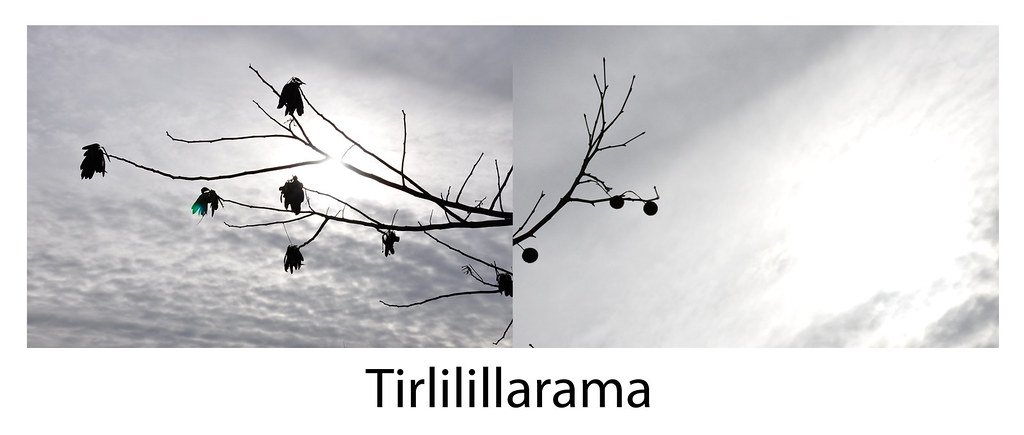
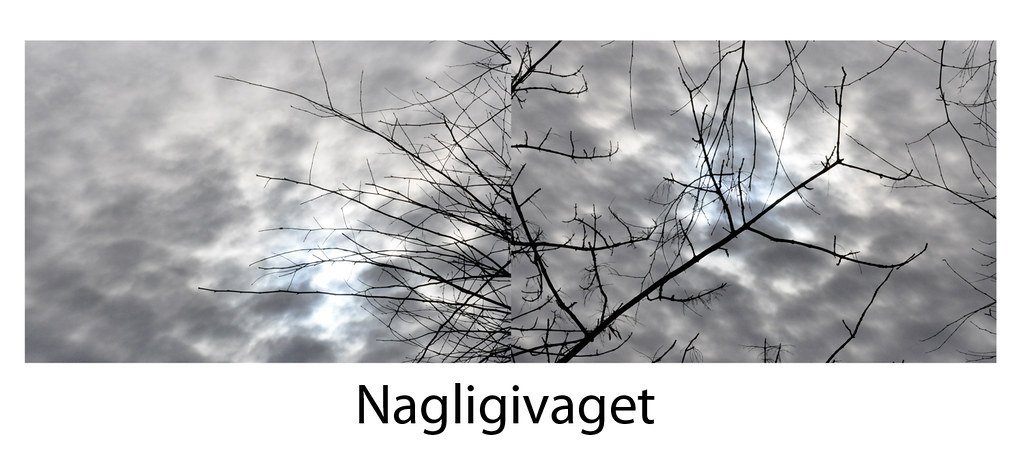
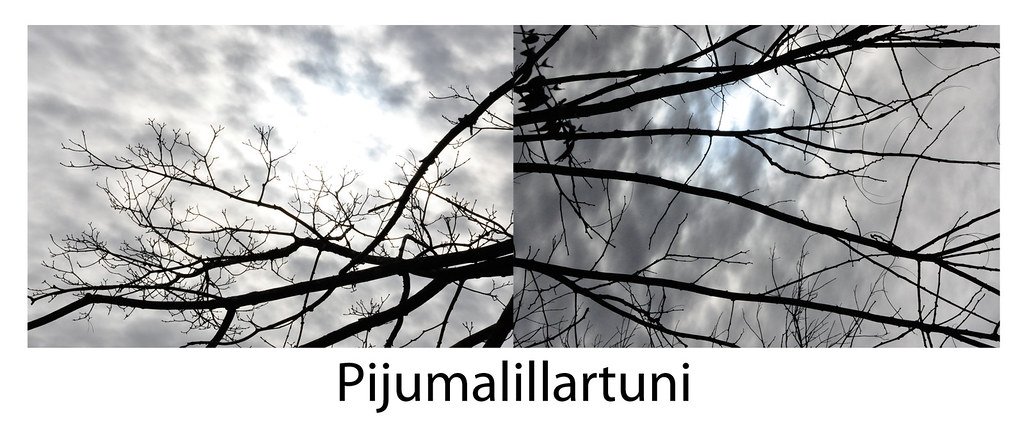
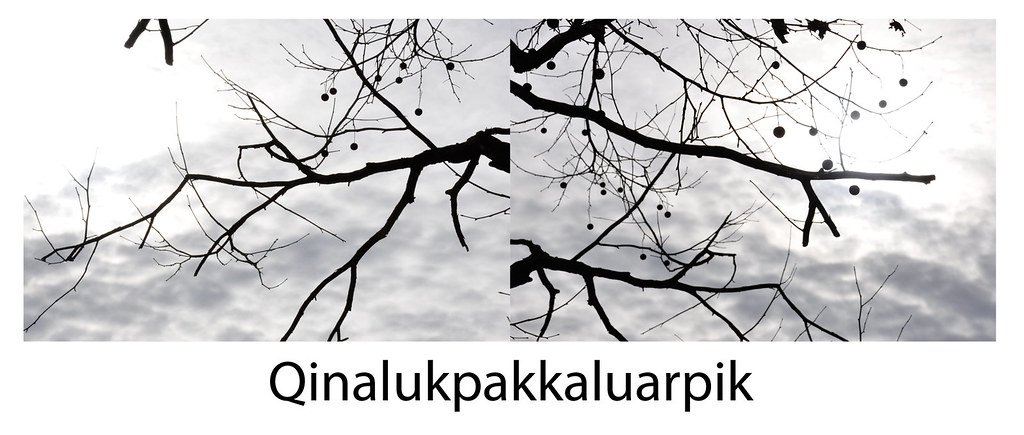
This series of fifteen chemical prints lives in that threshold. Taken whole, each image carries the weight we expect of winter: a long grey stillness where time seems stretched and nothing moves. But the eye does not stay there. It follows each oksa, each branch, as it divides and divides again, reaching outward in ever finer lines until it thins into the sky. That gesture is the tree’s memory of every summer it has lived, and its reach toward the ones still coming. The branches look dead, but like Líf and Lífþrasir, they are only waiting. The heart of winter is still a heart.
Some frames are split, showing the same branches in two tones side by side, as if seen in two worlds at once: sydäntalvi and kevättalvi, the season that appears to have ended and the one already beginning inside it.
The prints were made by hand in the darkroom, where an image does not arrive all at once but rises slowly out of the developer, dark lines emerging from pale paper. It is a small version of the old story: something kept alive in the cold and the dark, then brought back into the light. No two prints are identical. Each is a separate return, like each winter the tree has survived.