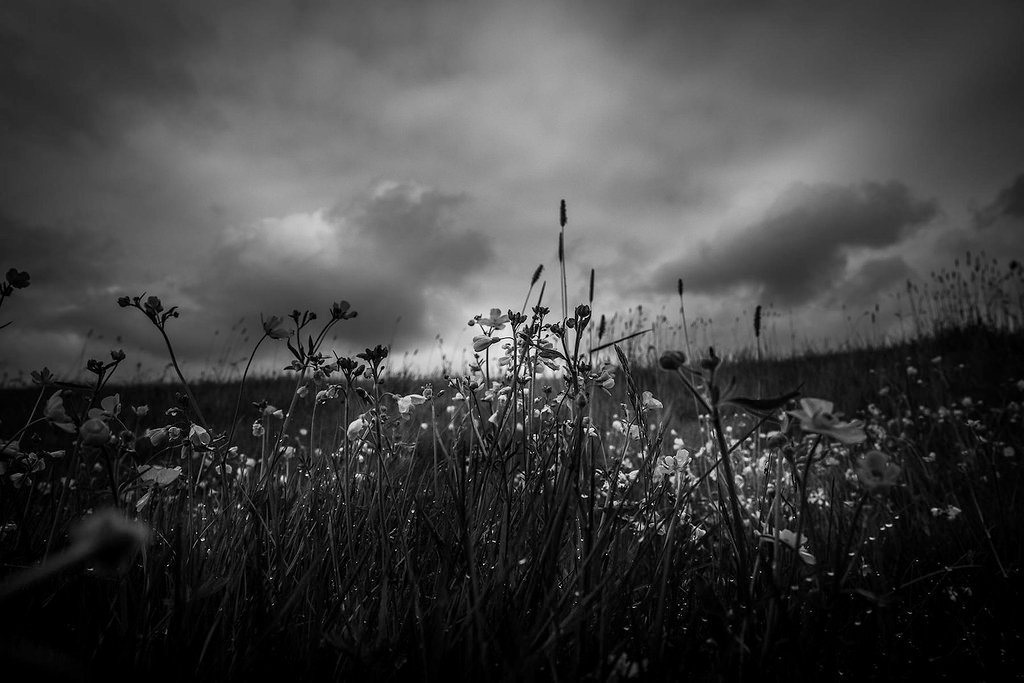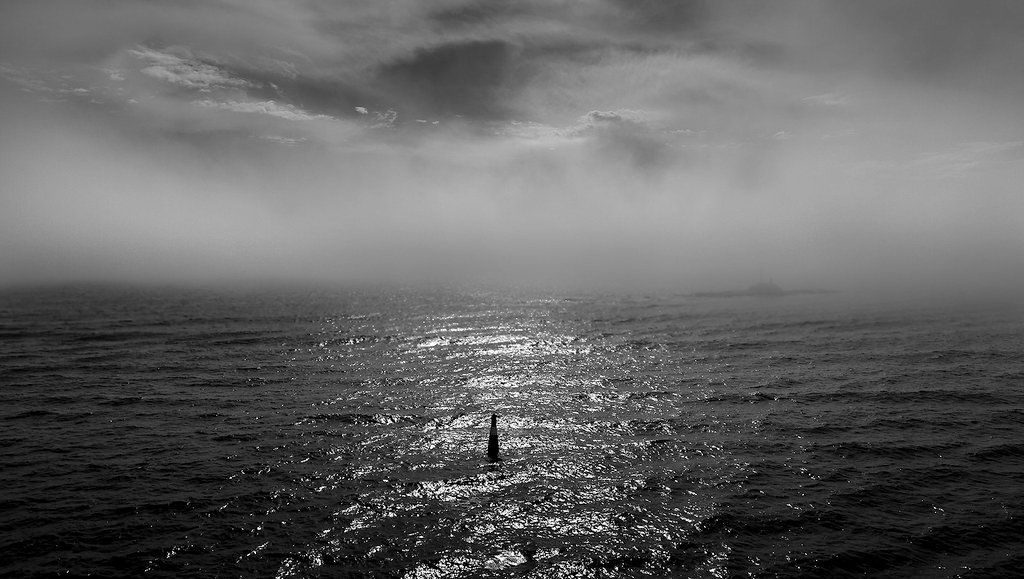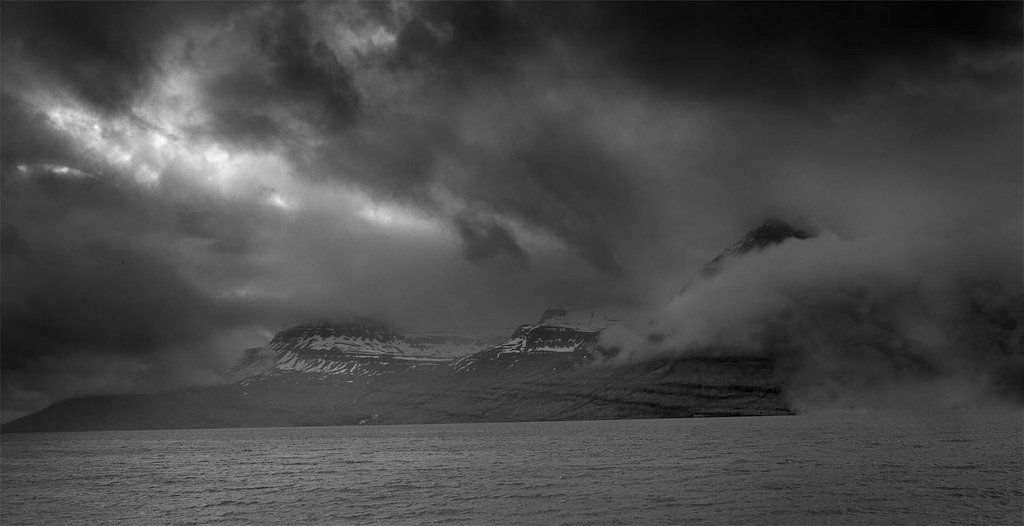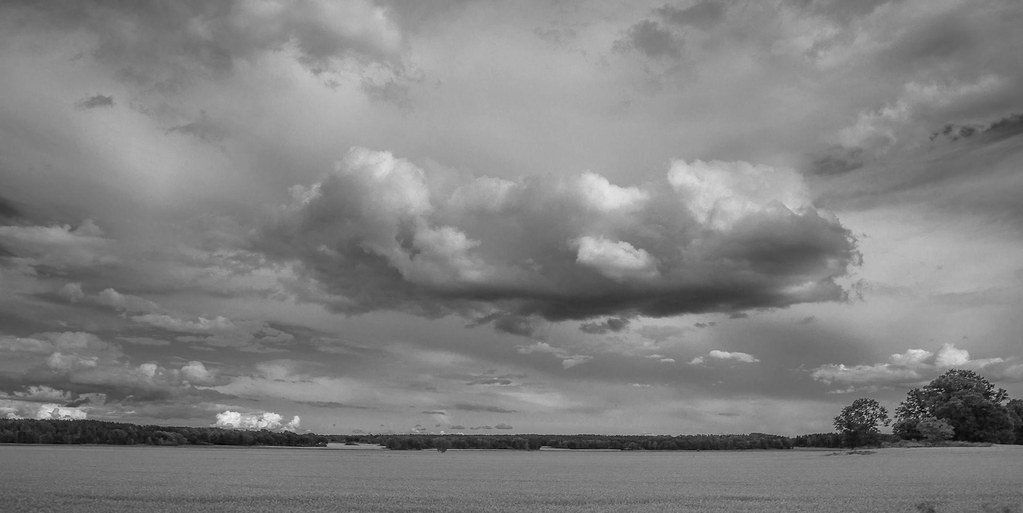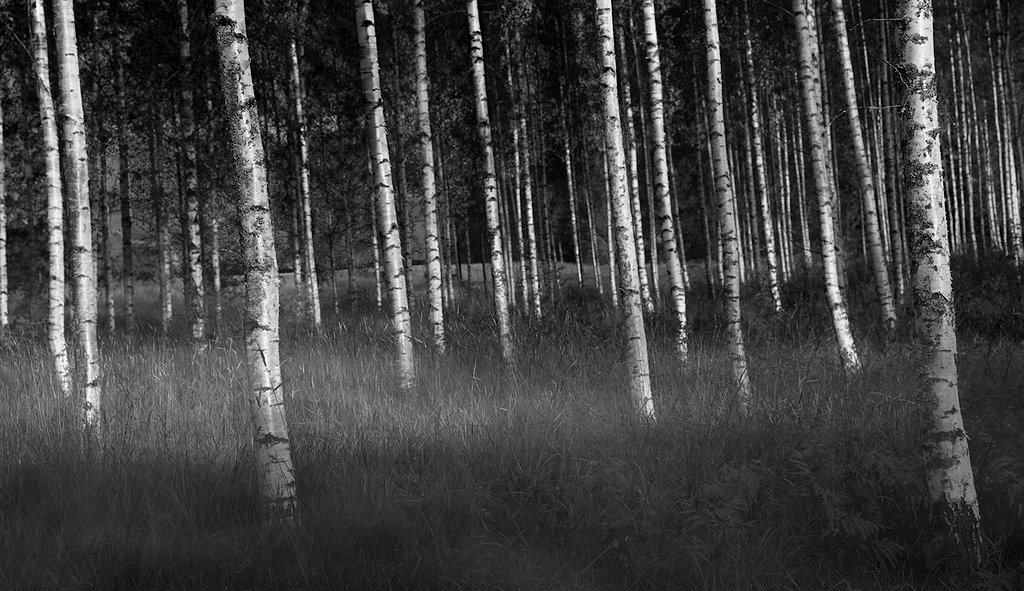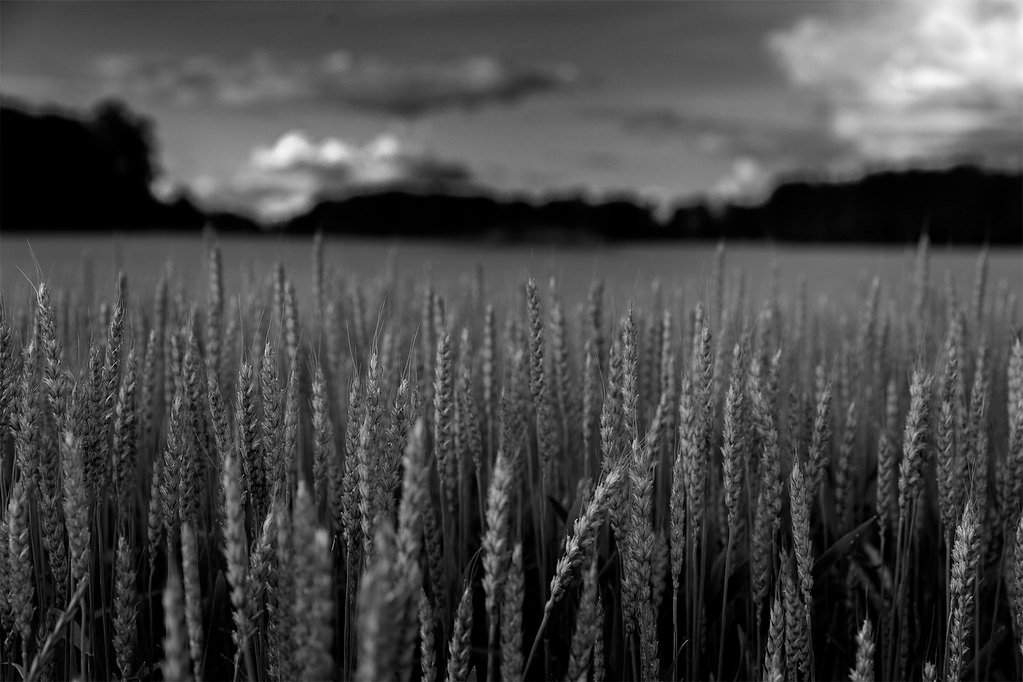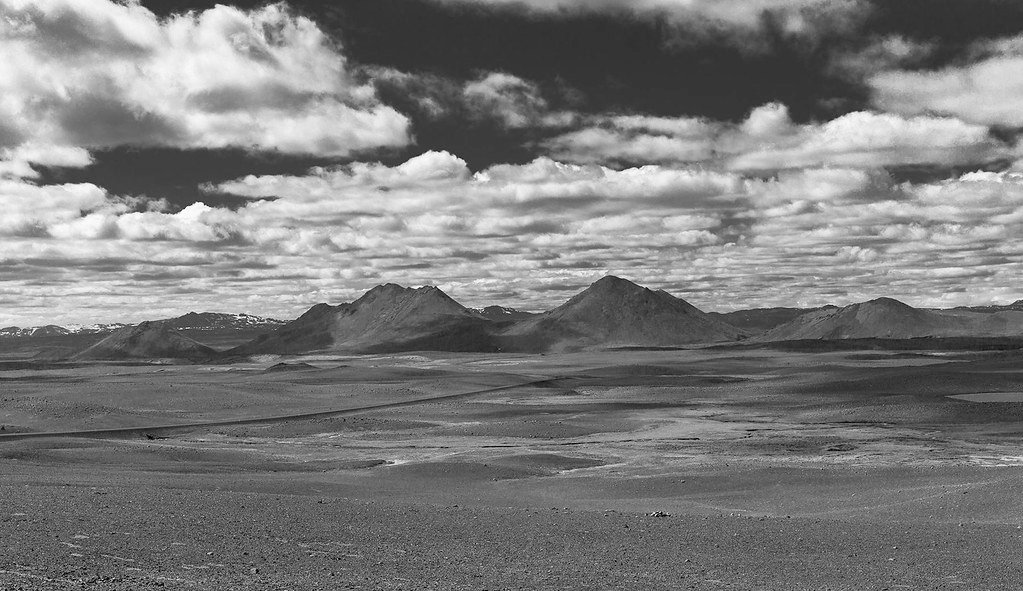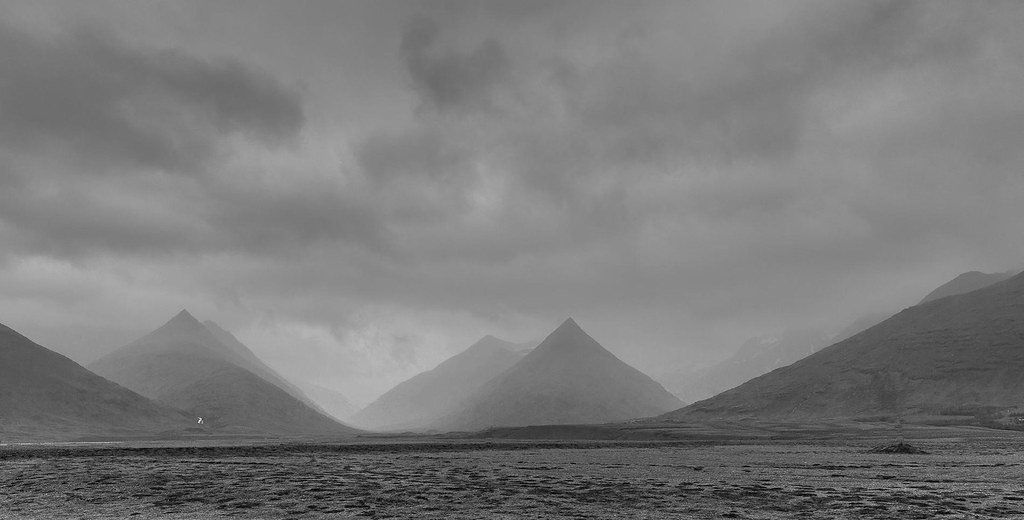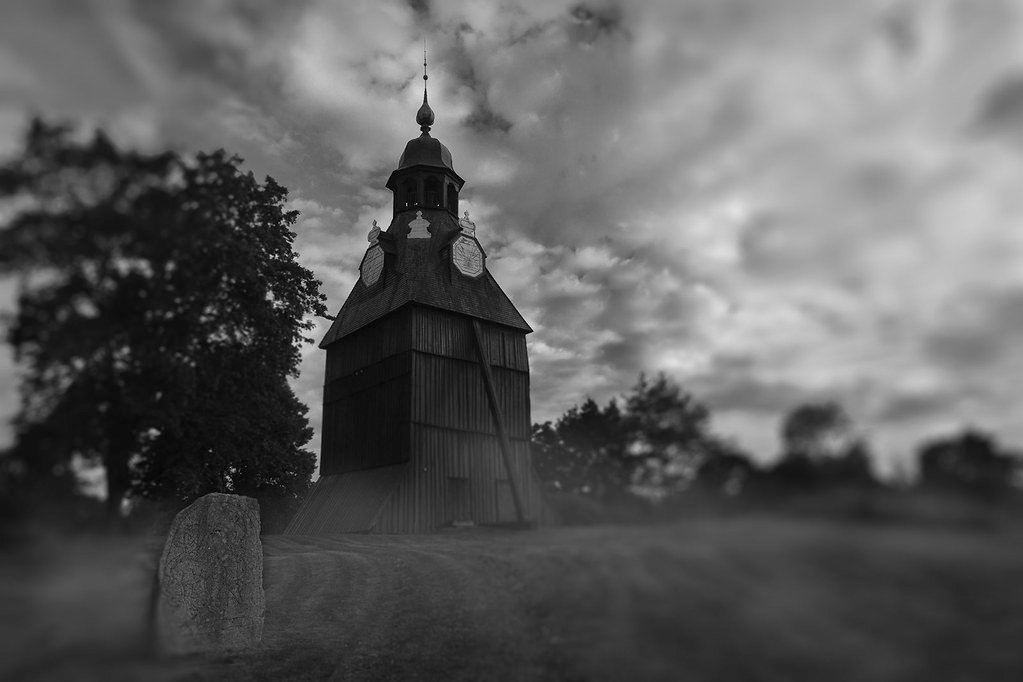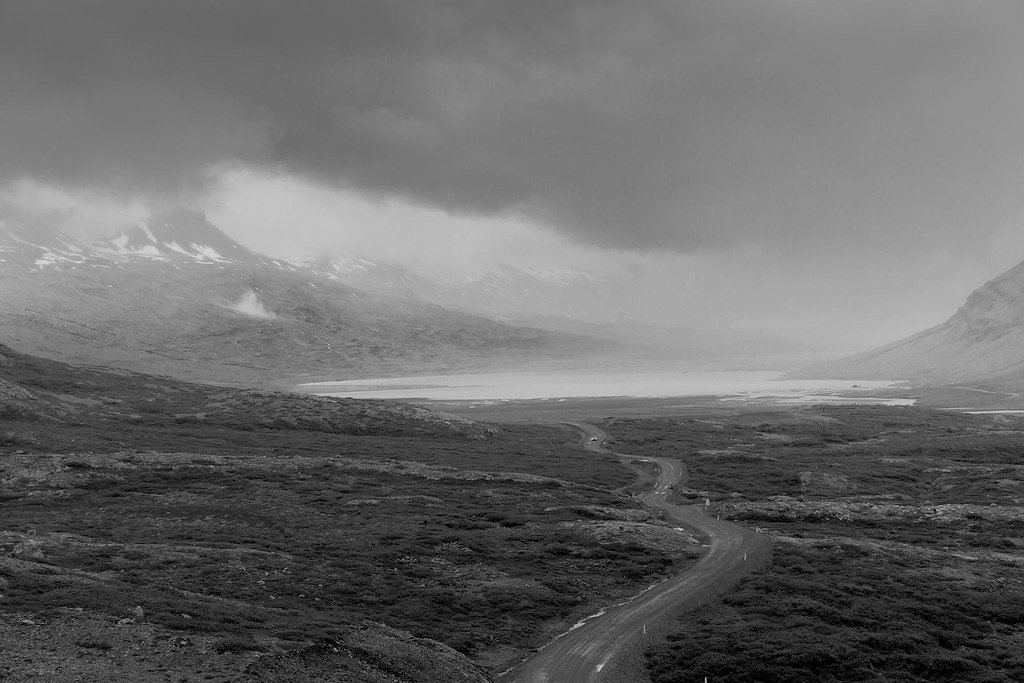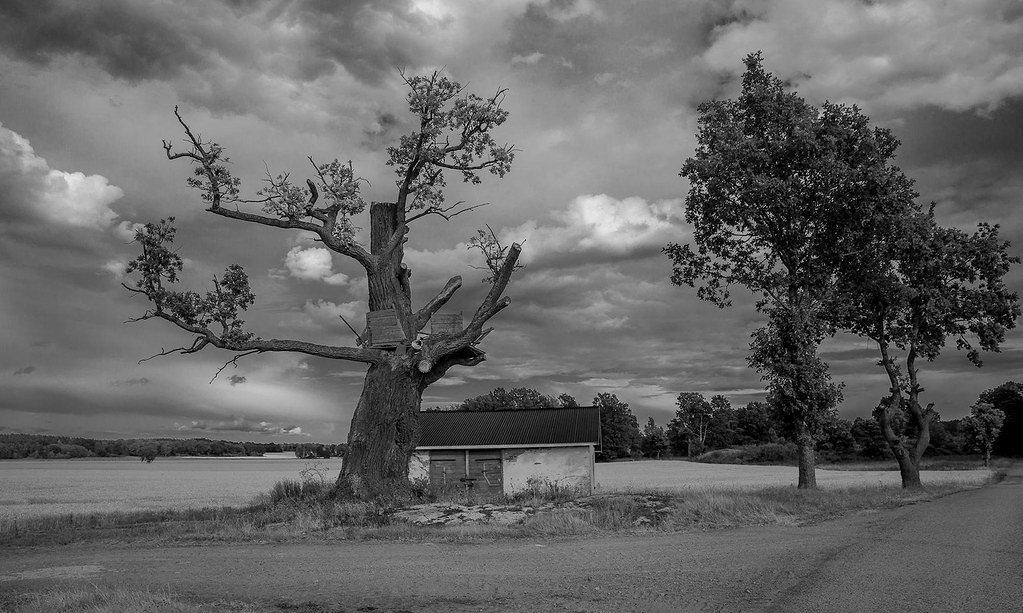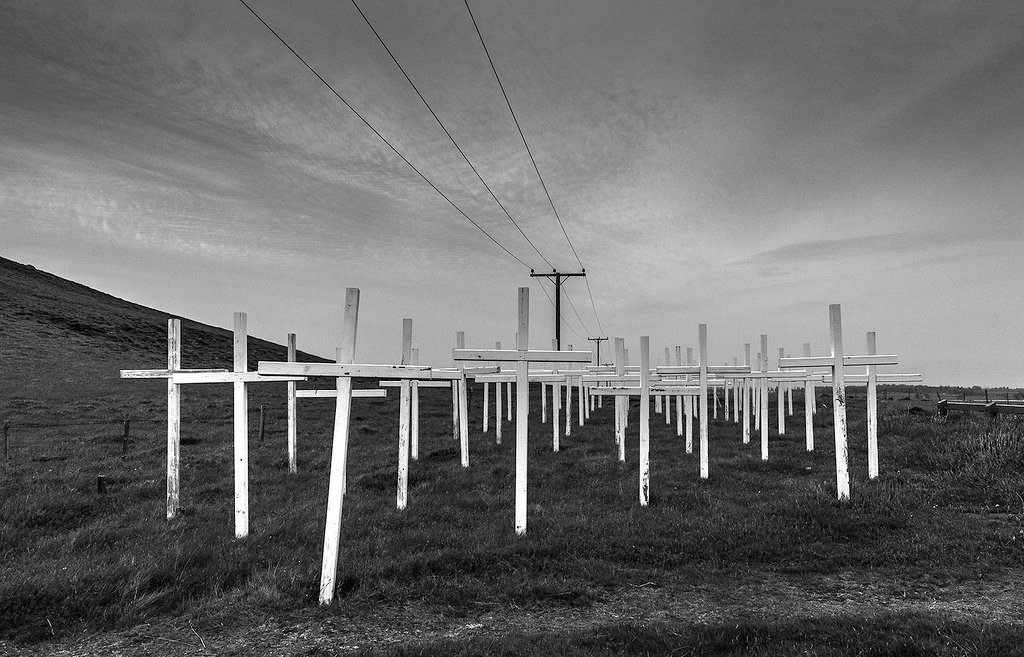
My landscape photography examines the Nordic environment as a place shaped by solitude, memory, mythology, and human intervention. Although people are rarely visible in these images, evidence of their presence remains throughout the land. Churches, roads, cultivated fields, fences, buildings, and utility structures appear as marks upon the terrain. Some are imposing, while others are nearly absorbed by the surrounding landscape. These traces suggest that even seemingly remote environments are never entirely untouched.
Many of the photographs are made late in the evening, near midnight, or during periods of extended Nordic twilight. Others emerge from repeatedly visiting familiar locations and observing how they change across different hours, weather conditions, and seasons. In these places, it is possible to travel for long periods without encountering another person. This physical isolation produces a distinctive experience of silence—not an absence of meaning, but a heightened awareness of light, distance, weather, and time.
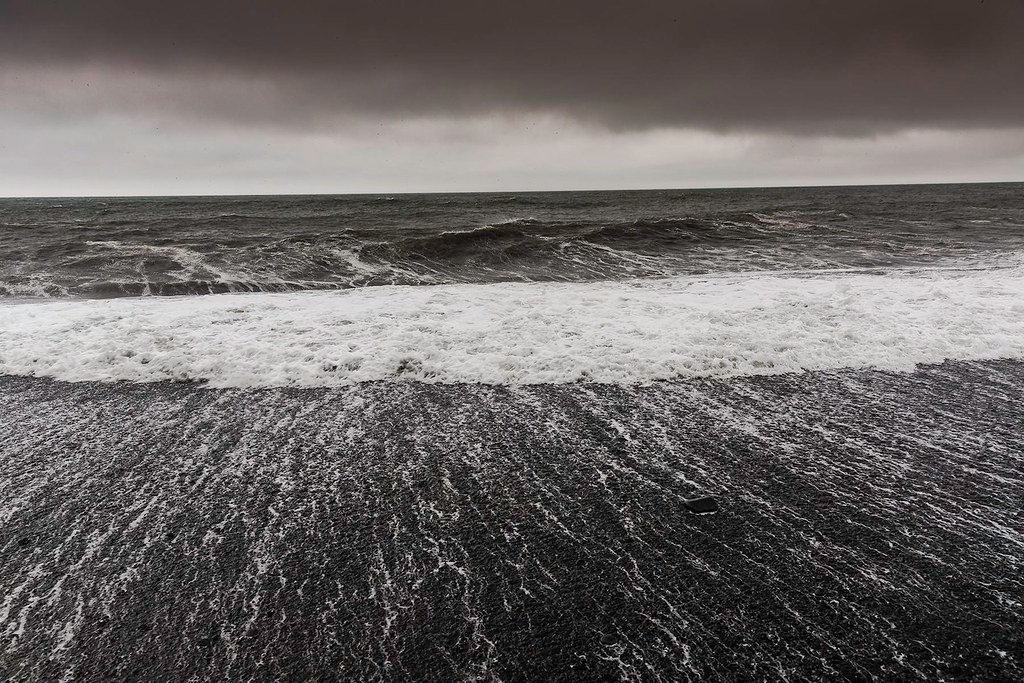
The photographs are organized around the contrast between sky and land. Expansive and often turbulent skies press against dark forests, open water, fields, and distant mountains. Working in black and white removes the specificity of color and intensifies the tonal and atmospheric relationships within the scene. Light becomes a material presence, revealing the landscape while also making it appear uncertain, unstable, or unfamiliar.
Within Nordic mythology and folklore, the natural world is not passive. Forests, mountains, stones, water, mist, and changing light can function as thresholds between the visible world and forces that remain unseen. My photographs do not attempt to illustrate particular myths. Instead, they draw upon this cultural understanding of landscape as a place that may reveal itself differently when one remains still, attentive, and receptive to its energy.
Through emptiness, repetition, and subtle evidence of human occupation, this work considers the tension between the natural and constructed worlds. The landscape becomes both a physical location and a psychological space: quiet but never vacant, altered but never fully controlled, and suspended between what can be seen and what can only be felt.