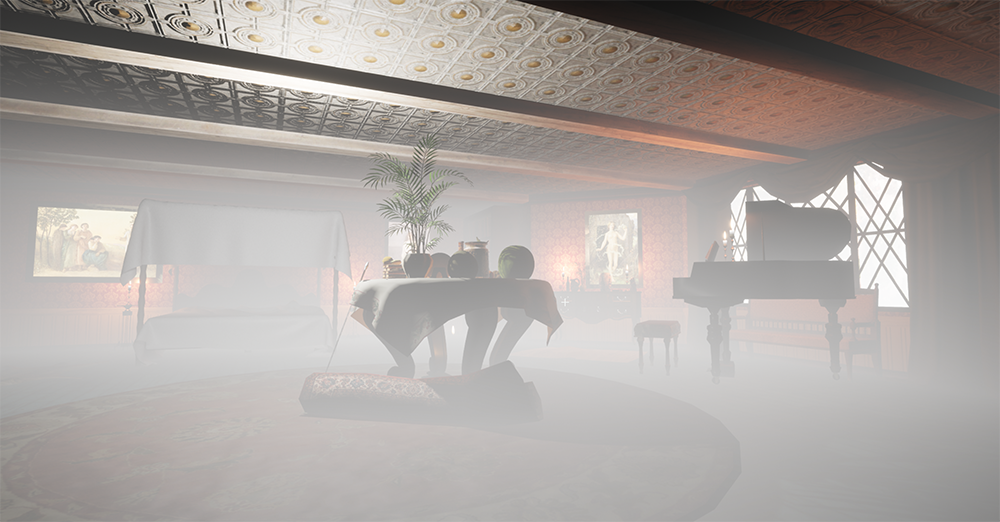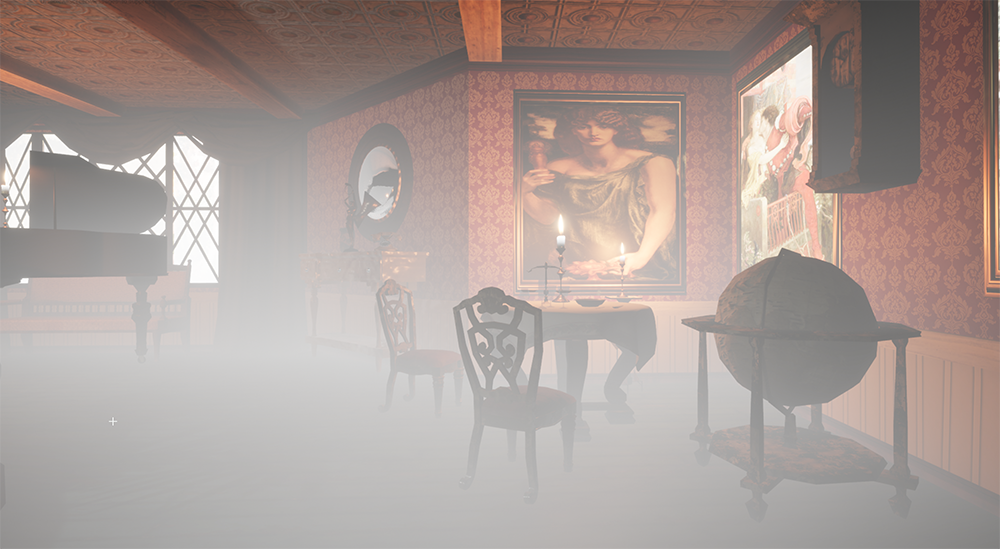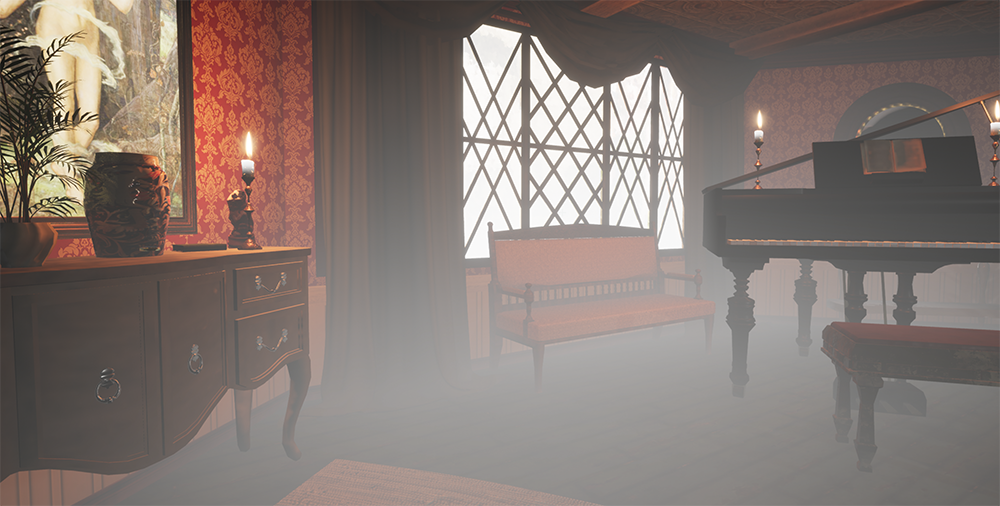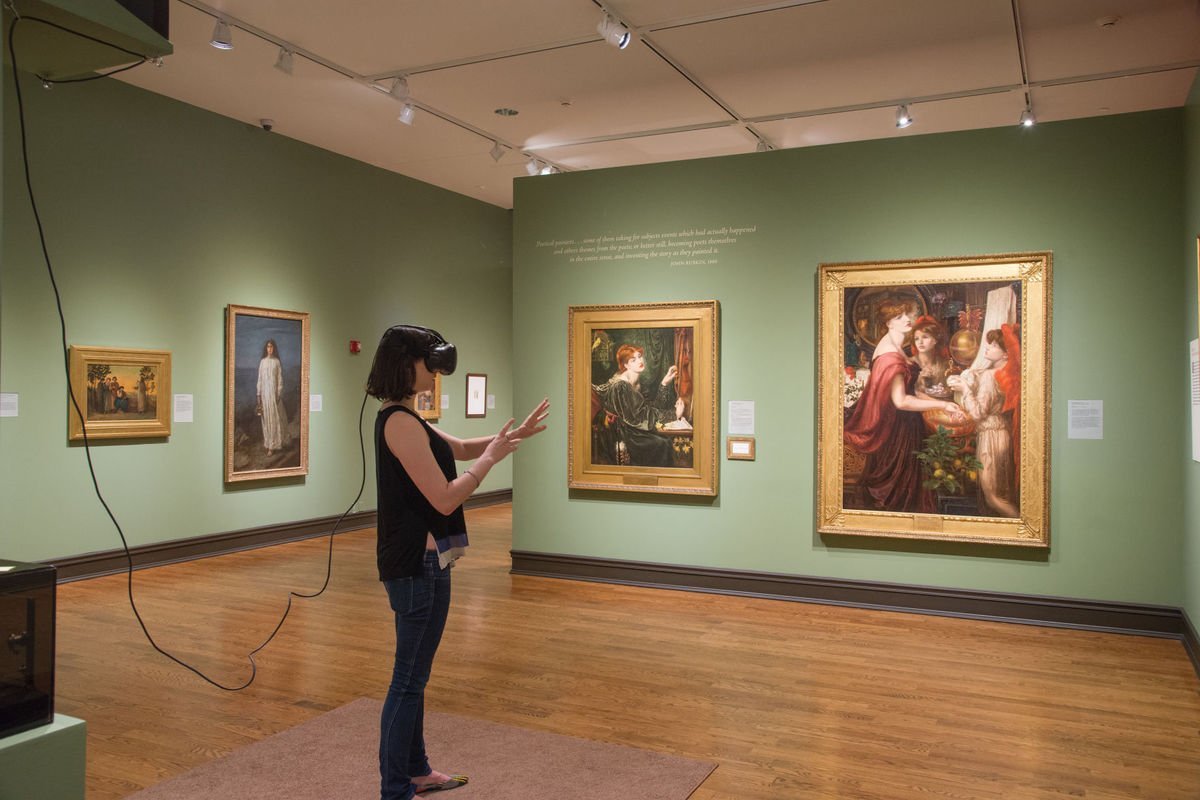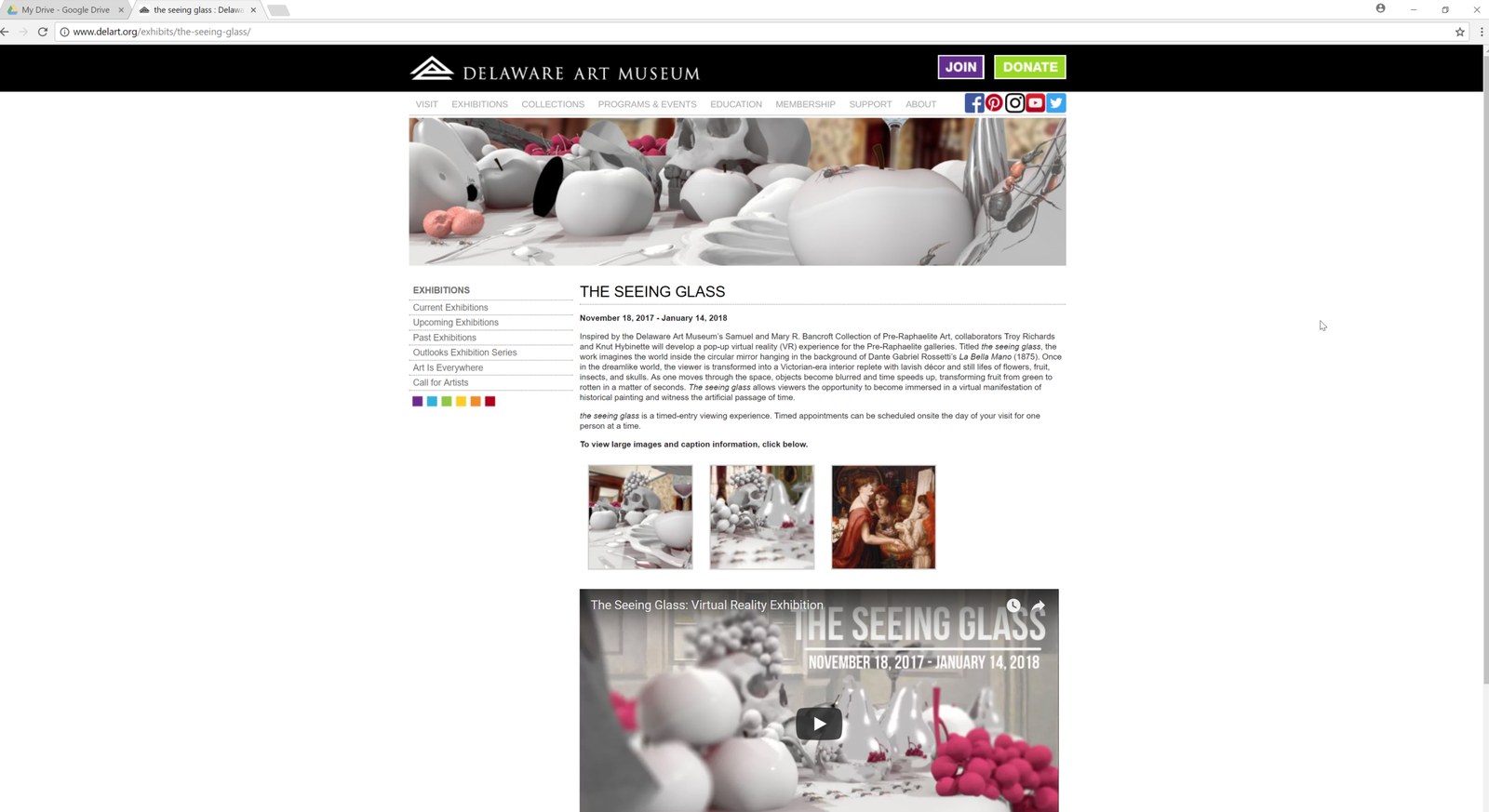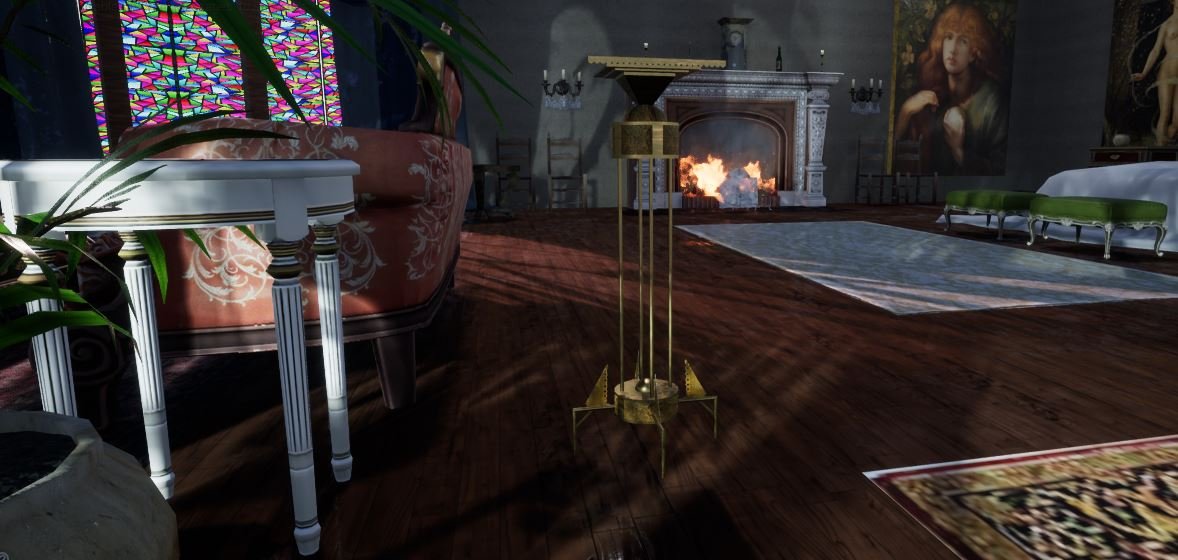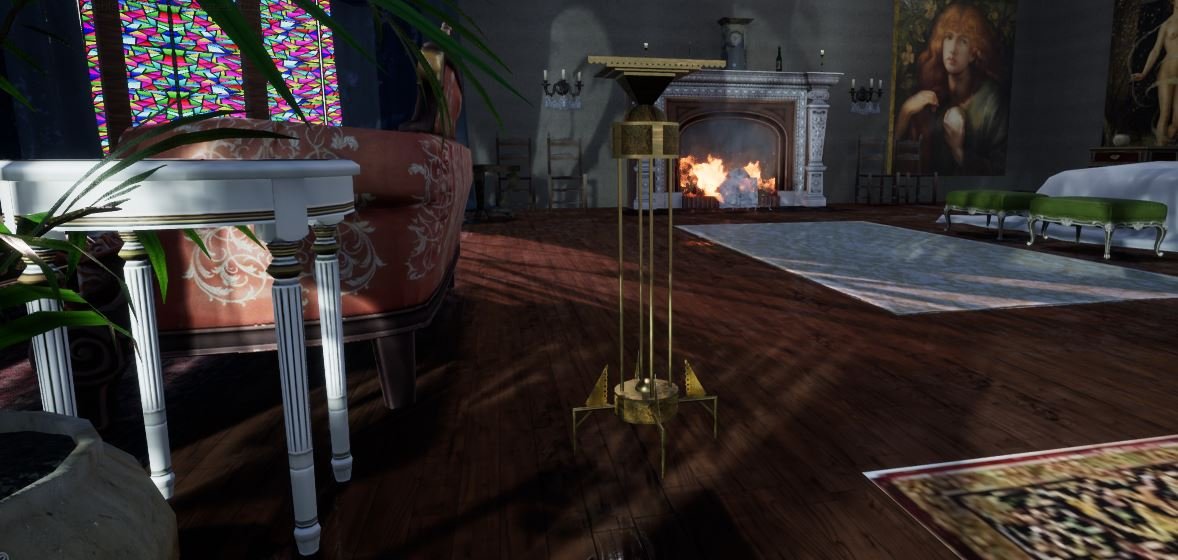
The Seeing Glass is a practice-based research project investigating the use of virtual reality, game-engine technologies, and immersive media as methods for interpreting historical artworks. The project reimagines Dante Gabriel Rossetti’s La Bella Mano (1875) as an explorable virtual environment, using spatial design, interaction, sound, and temporal change to examine how nineteenth-century visual culture can be translated into contemporary digital experience.
The research focuses on the relationship between traditional art-historical interpretation and emerging forms of interactive media. Rather than presenting the painting as a static object of study, The Seeing Glass explores how virtual reality can create new forms of embodied engagement with composition, symbolism, atmosphere, and material culture.
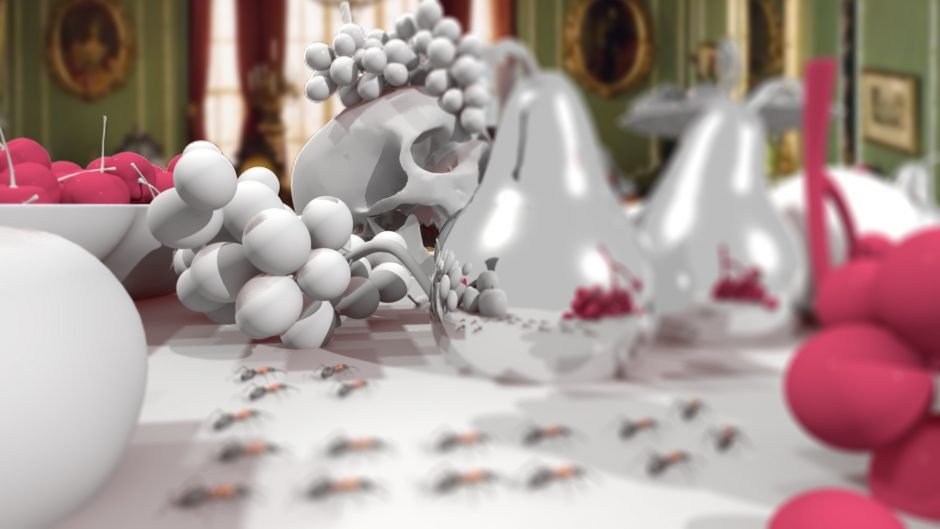
A central component of the project is its investigation of temporality, beauty, mortality, and decay. As the experience progresses, the environment changes: organic materials deteriorate, visual conditions become unstable, and the virtual space gradually shifts from an idealized interior toward an environment marked by impermanence.
Methodologically, the project combines art-historical research, game design, virtual environment development, spatial storytelling, interaction design, and immersive technology. This interdisciplinary approach positions the game engine not simply as a production tool, but as a research methodology through which historical visual material can be analyzed, reconstructed, interpreted, and critically transformed.
The Seeing Glass received more than $200,000 in combined internal and external grant support, demonstrating substantial institutional and external investment in the project’s interdisciplinary research, technological development, and public presentation.
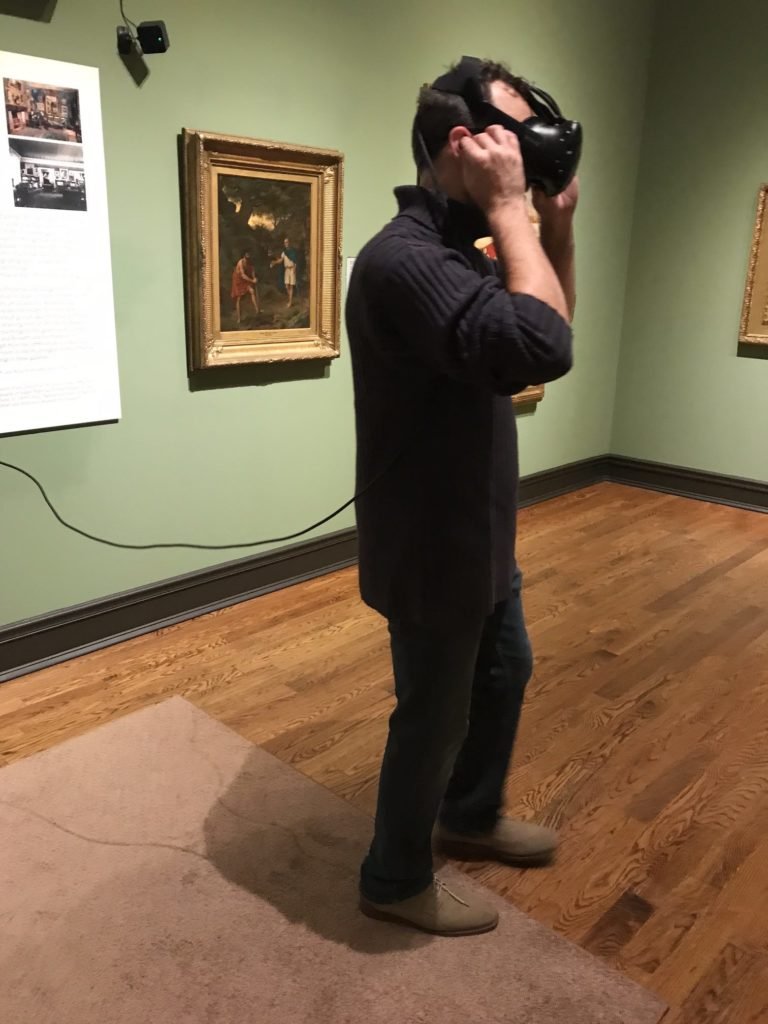
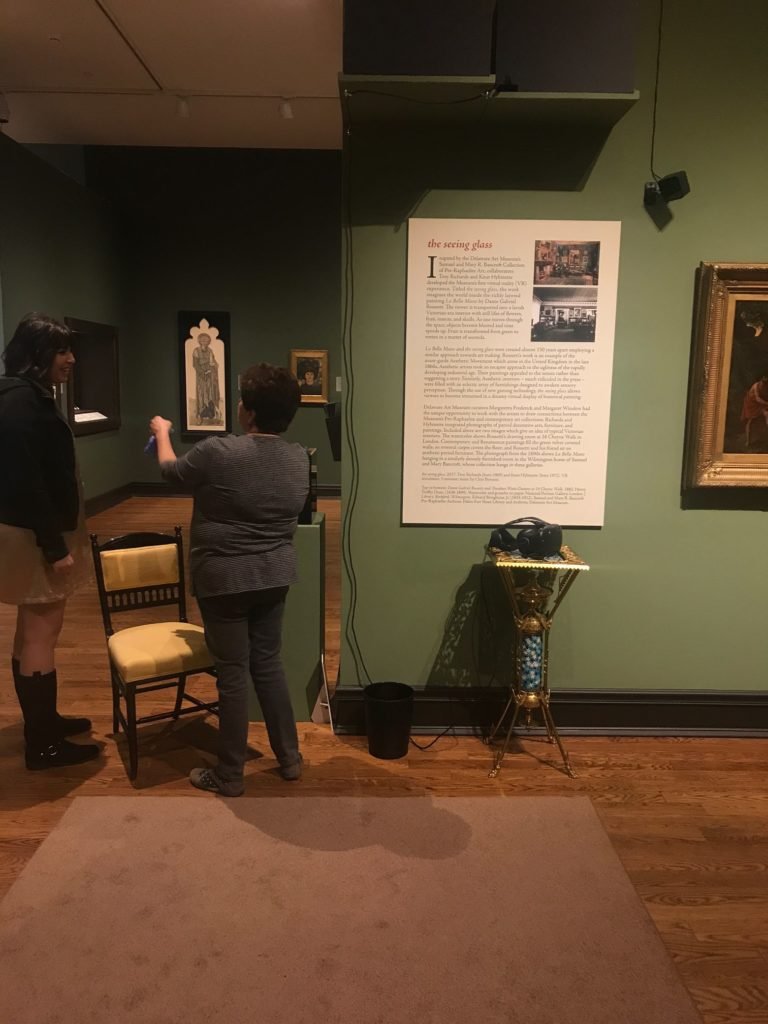
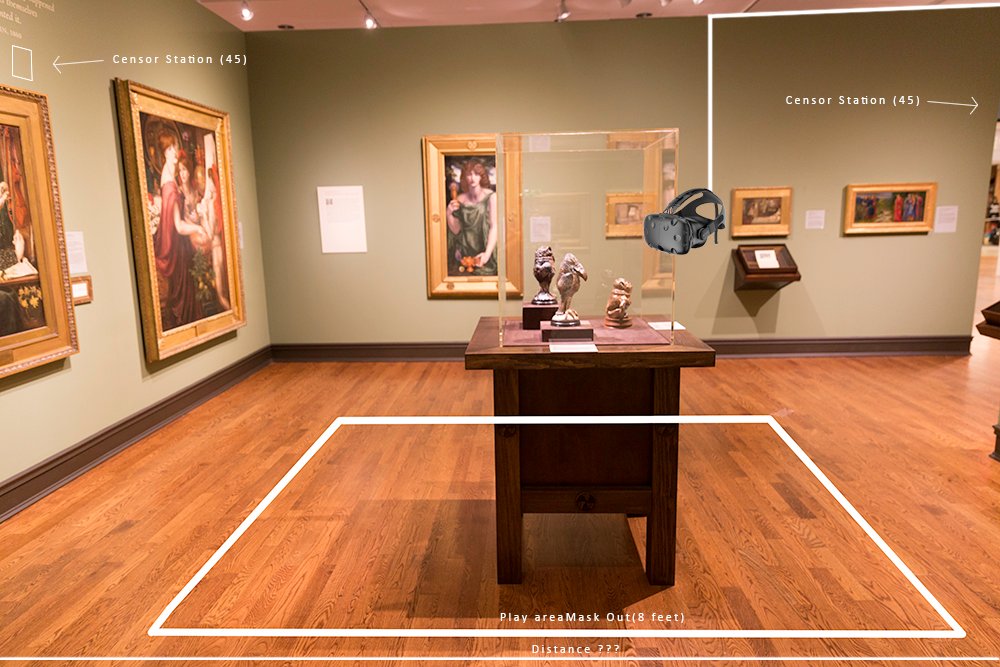
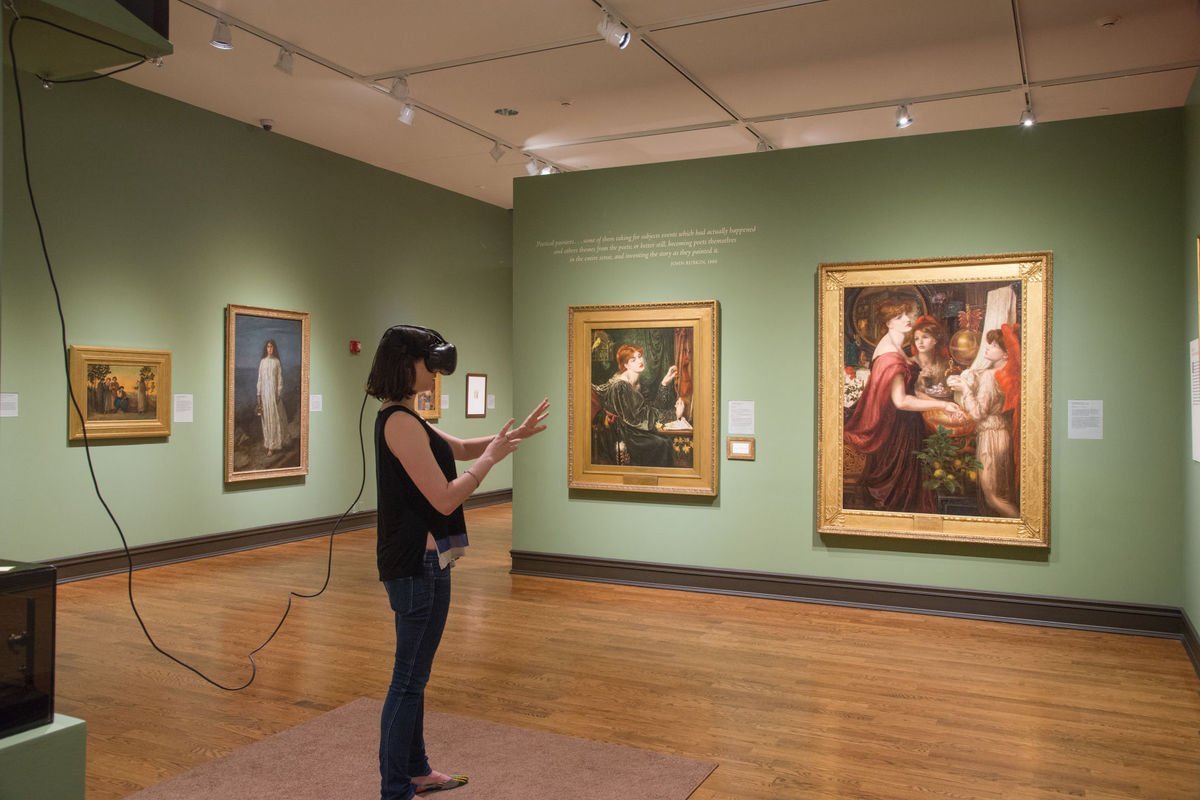
Exhibited at the Delaware Art Museum in Wilmington, Delaware, during 2017–2018, the project contributes to broader research in virtual reality, interactive media, digital humanities, museum interpretation, and emerging technologies in contemporary artistic practice. The Seeing Glass demonstrates how immersive systems can expand traditional models of exhibition and scholarship by allowing audiences to encounter historical art through embodied, participatory, and computational forms of experience.