
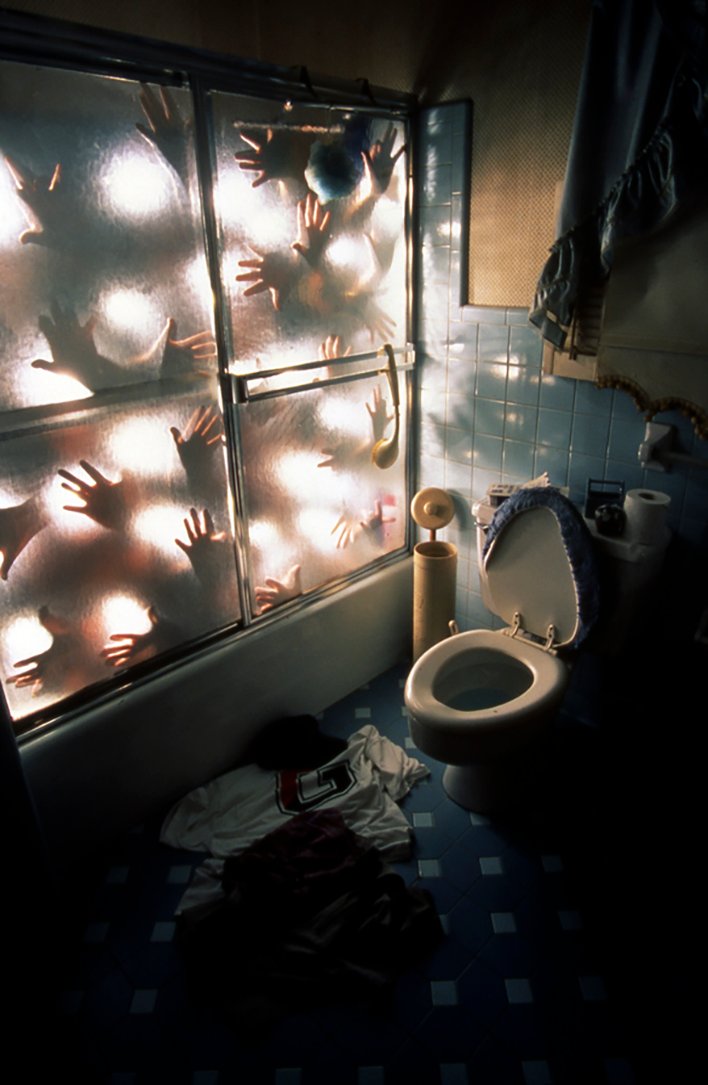
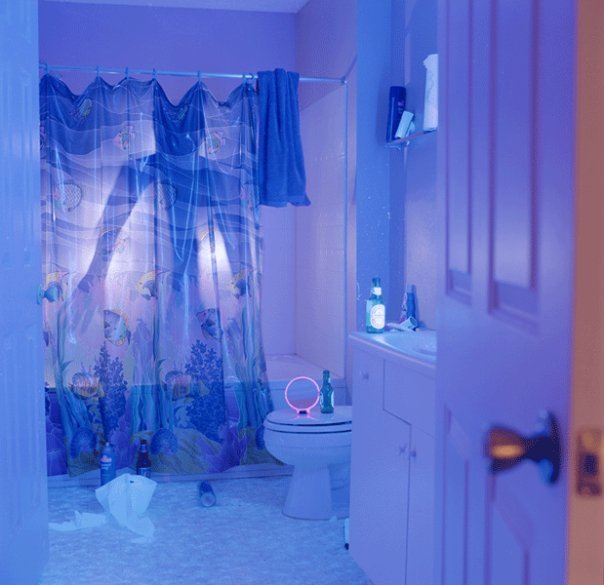
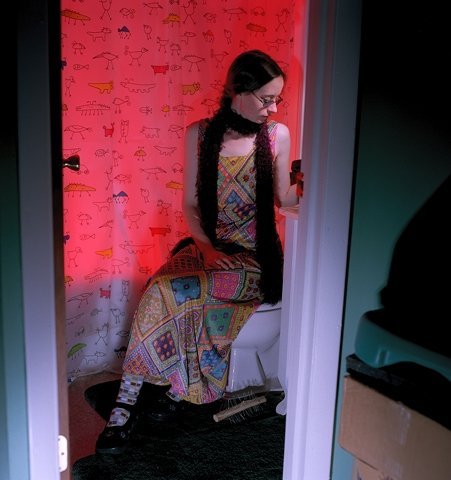
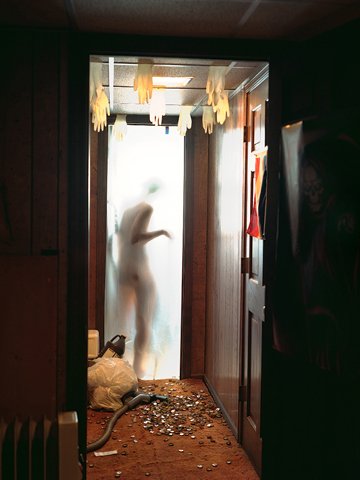
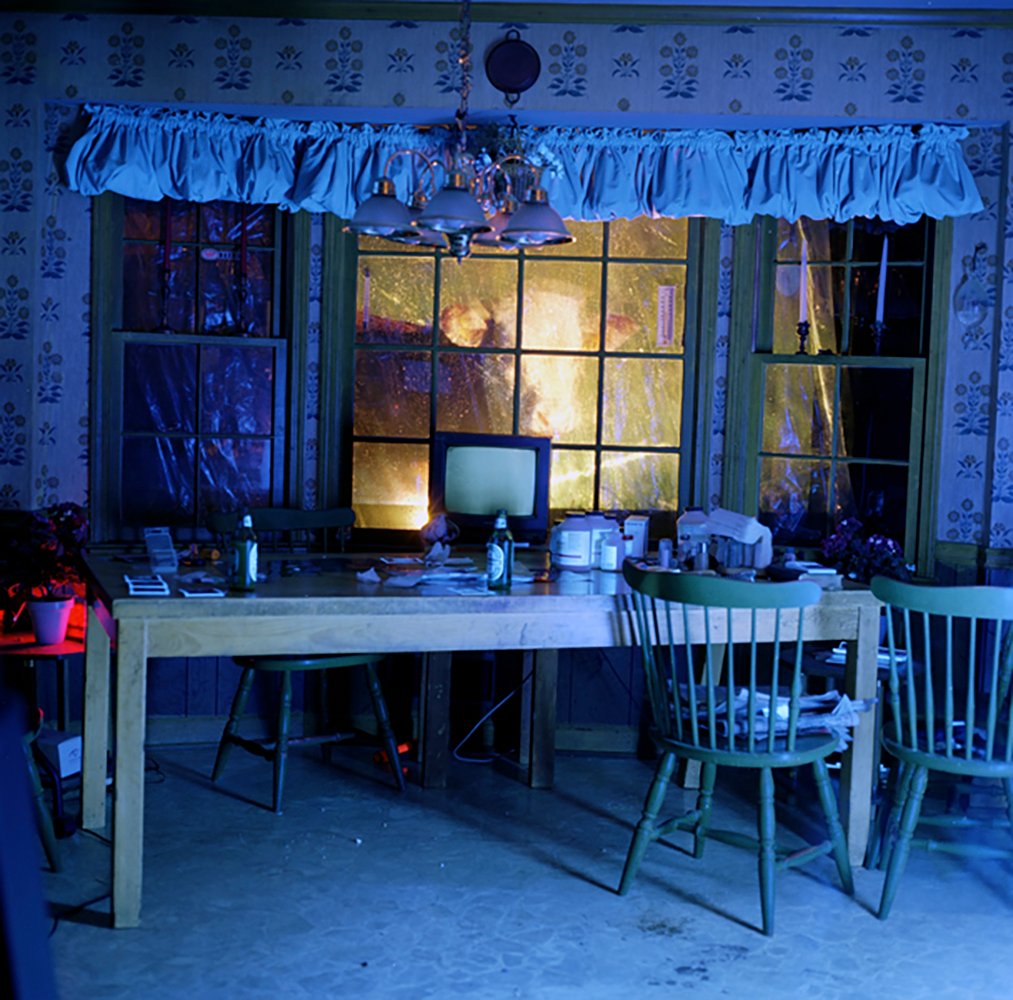
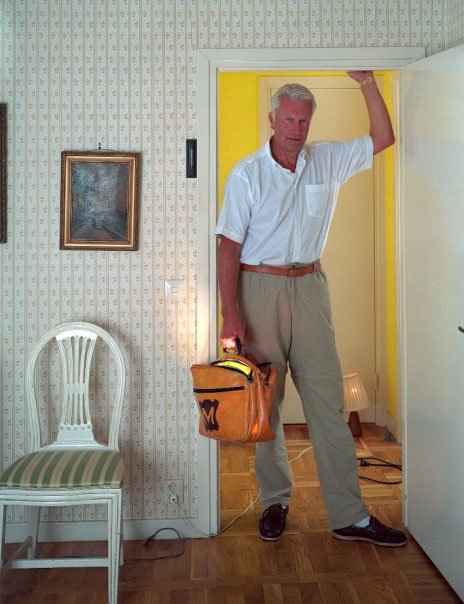
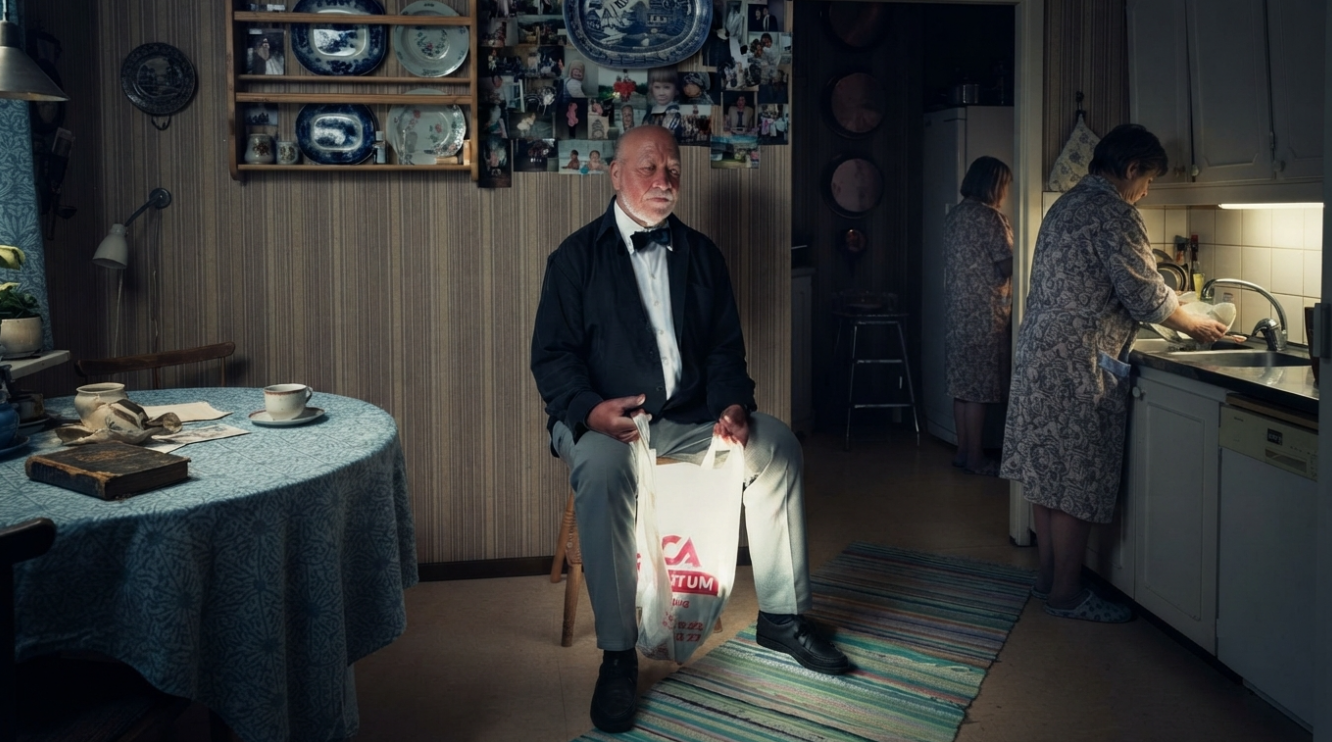



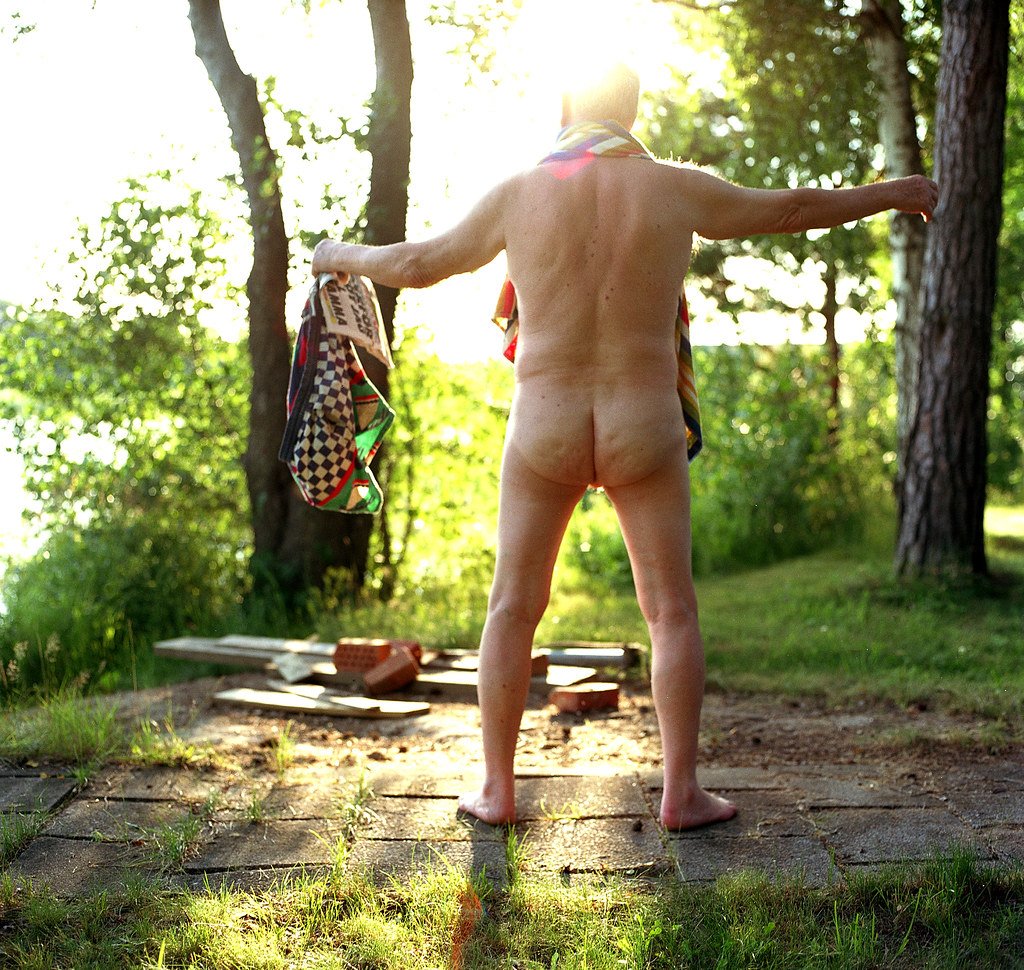
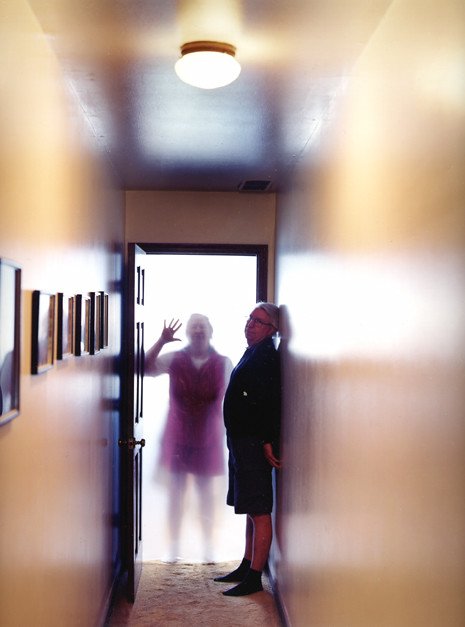
Ljus—the Swedish word for “light”—explores my attempt to confront, rather than fear, the unknown qualities of illumination. Across cultures, light carries many meanings: birth and death, revelation and disappearance, safety and danger, the spiritual and the extraterrestrial. It may guide us forward, expose what has been concealed, or suspend a moment as if time itself has been frozen.
The work draws upon the visual language of cinema and its long history of using unnatural light to signal that reality has shifted. From the shadows and flickering illumination of early vampire films to the radiant arrival of alien beings, the supernatural glow of Poltergeist, the promise of transformation in Cocoon, and the mythic light of Star Wars, cinema has taught us that light is never entirely neutral. It can announce an encounter with something beyond ordinary human experience.
In these images, light becomes both subject and psychological presence. It enters darkness without completely overcoming it, producing a space between recognition and uncertainty. Rather than revealing everything, it makes the surrounding shadows more visible and reminds us of what remains inaccessible. The light may appear inviting, threatening, sacred, or artificial, depending upon the cultural memories and personal experiences that the viewer brings to it.
Through Ljus, I investigate my own complicated relationship with illumination. I am trying not to fear the light, but to remain present before it—to observe how it alters a place, activates memory, and transforms familiar environments into something strange. The photographs do not resolve whether the light represents an arrival, a departure, a beginning, or an ending. Instead, they hold the viewer within the moment before meaning becomes fixed, when light opens the possibility that the world may be different from what we believed it to be.